mmsmc
  • Home
  • About Us
    • Vision
    • Organization
    • Management Team
  • Products & Services
    • Drill & Blast
      • Packaged Explosives
      • Detonators & Initiating systems 
    • Mechanized Tunneling 
      • TBM Tunneling  
      • Parts & Services
      • Various Machines
    • Services
      • NOC & Regulatory Permit
      • Escorted Logistics Services
      • Site Army and Blast Management Services 
      • Bunker & Army Camp Construction
      • Geotechnical Consulting 
    • Technical Support 
  • News & Media
    • News
    • Notice & Publications
    • FAQ`s
connect with us
mmsmc
  • Home
  • About Us
    • Vision
    • Organization
    • Management Team
  • Products & Services
    • Drill & Blast
      • Packaged Explosives
      • Detonators & Initiating systems 
    • Mechanized Tunneling 
      • TBM Tunneling  
      • Parts & Services
      • Various Machines
    • Services
      • NOC & Regulatory Permit
      • Escorted Logistics Services
      • Site Army and Blast Management Services 
      • Bunker & Army Camp Construction
      • Geotechnical Consulting 
    • Technical Support 
  • News & Media
    • News
    • Notice & Publications
    • FAQ`s
  • Home
  • About Us
    • Vision
    • Organization
    • Management Team
  • Products & Services
    • Drill & Blast
      • Packaged Explosives
      • Detonators & Initiating systems 
    • Mechanized Tunneling 
      • TBM Tunneling  
      • Parts & Services
      • Various Machines
    • Services
      • NOC & Regulatory Permit
      • Escorted Logistics Services
      • Site Army and Blast Management Services 
      • Bunker & Army Camp Construction
      • Geotechnical Consulting 
    • Technical Support 
  • News & Media
    • News
    • Notice & Publications
    • FAQ`s
mmsmc

Type To Search

mmsmc
  • Home
  • About Us
    • Vision
    • Organization
    • Management Team
  • Products & Services
    • Drill & Blast
      • Packaged Explosives
      • Detonators & Initiating systems 
    • Mechanized Tunneling 
      • TBM Tunneling  
      • Parts & Services
      • Various Machines
    • Services
      • NOC & Regulatory Permit
      • Escorted Logistics Services
      • Site Army and Blast Management Services 
      • Bunker & Army Camp Construction
      • Geotechnical Consulting 
    • Technical Support 
  • News & Media
    • News
    • Notice & Publications
    • FAQ`s
News
HomeNewsArchive by Category "News"

Category: News

01
NewsNews
April 12, 2026 By mmsmccom

MMSM Operations Team Site Orientation Ends in a Thrilling Rafting Experience

The Operations Team of Mohanman Shaktiman recently embarked on an enriching site orientation visit to a hydropower project in the scenic Bhotekoshi region—an experience that seamlessly blended technical learning with the raw thrill of nature.

Set against the dramatic landscape of steep valleys and roaring river currents, the visit provided the team with a valuable opportunity to closely observe project operations, understand on-ground challenges, and align their technical perspectives with real-world execution. The orientation focused on strengthening operational awareness, safety practices, and coordination across project functions—an essential step as the company continues to expand its footprint in infrastructure and energy development.

We extend our sincere gratitude to the Bhotekoshi IV Hydropower Project team and the members of Nepal Army Indradhoj Gan for their warm hospitality and for granting us the opportunity to conduct this insightful site visit. Their cooperation and openness in sharing knowledge made the experience highly meaningful for our team.

What began as a day of technical exploration concluded on a high note—quite literally—with an exhilarating rafting adventure on the Bhotekoshi River. Battling the powerful rapids, navigating sharp turns, and embracing the untamed energy of the river, the team experienced firsthand the sheer force and beauty of natural water systems. It was a moment of camaraderie, adrenaline, and reflection—reminding us why we do what we do.

This experience also reinforced a critical principle that lies at the heart of responsible hydropower development: the need to preserve the natural flow and character of our rivers. While hydropower remains a cornerstone of sustainable energy, it is equally important to ensure that project designs respect ecological balance and maintain adequate environmental flows. Rivers like Bhotekoshi are not just sources of energy—they are lifelines of biodiversity, culture, and adventure.

By thoughtfully integrating environmental considerations into hydropower planning, we can ensure that future generations continue to experience the raw, unfiltered power of rivers—whether through adventure, livelihood, or simple appreciation of nature.

At Mohanman Shaktiman, we remain committed to building infrastructure that not only powers progress, but also preserves the natural heritage that defines our landscapes. This visit was more than just an orientation—it was a powerful reminder that development and nature must move forward together.

READ MORE
tunnel
NewsNewsPUBLICATIONS
November 12, 2025 By mmsmccom

How to minimize explosive cost using smart blasting

Abstract:
Blasting operations in Nepal’s hydropower, road, and mining sectors are essential yet costly. A significant portion of explosive-related expenditure can be minimized through the application of smart blasting principles involving rock mass characterization, precision design, proper explosive selection, and post-blast analysis.

Introduction

The rapid development of Nepal’s infrastructure has led to increased use of explosives in civil engineering and mining. Traditional blasting methods often result in high costs, poor fragmentation, excessive overbreak, and safety risks. This article outlines how smart blasting practices can reduce explosive costs while maintaining or improving blast performance.

  1. Rock Mass Characterization

The selection and quantity of explosives must align with rock type and condition. Nepal features a diverse geological profile from hard rock formations to fractured weak rock layers.

  • Hard, massive rock requires less energy for clean fragmentation.
  • Highly fractured or weak rock is susceptible to overbreak with conventional blasting.

Recommendation: Implement pre-blast rock classification using RMR or Q-system to optimize powder factor accordingly.

  1. Blast Design Optimization

Modern blast design involves accurate planning of burden, spacing, hole depth, and initiation timing.

  • Use tools like SHOTPlus, AUTOCAD, or OTHERS software for simulation.
  • Adjust burden and spacing based on bench height and rock type.
  • Use decking in weak or mixed geological zones.
  1. Use of Delay and Electronic Detonators

Precision in initiation timing improves energy distribution, reduces overbreak, and enhances muck pile shape.

  • Nonel (non-electric) or electronic detonators are recommended over conventional systems.
  • Delay intervals that is milliseconds delay can significantly reduce vibrations and improve fragmentation for Surface
  1. Explosive Selection

The type of explosive should match site conditions:

Note: Always match explosive type with moisture conditions and desired energy output.

Explosive Type

Use Case

Cost Level

ANFO

Dry and accessible sites

Low

Emulsion

Water-bearing tunnels, shafts

Moderate

Cartridge

Precise or restricted space

High

  1. Blast Monitoring and Feedback

Post-blast evaluation should include:

  • Pull efficiency
  • Fragmentation analysis
  • Vibration monitoring
  • Overbreak volume

These metrics inform future adjustments, improving consistency and reducing cost per cubic meter.

  1. Logistical Considerations

Remote tunneling and hydropower project sites in Nepal face high transportation costs and logistical challenges in the supply of explosives. To address these issues while maintaining safety and efficiency, the following measures can be adopted:

Efficient and safe handling of explosives in remote tunneling projects requires careful planning of logistics. The main considerations include:

  • Transportation Routes
    • Mountainous terrain, narrow roads, and seasonal blockages (landslides, snow, floods) increase risks and costs.
    • Vehicles should comply with explosive transport regulations and be equipped with fire extinguishers, warning signs, and safety gear.
  • Security & Regulations
    • Explosives transport requires coordination with local administration, police, and the Department of Explosives.
    • Proper documentation, permits, and escorts are often mandatory.
  • Storage Facilities
    • Regional magazines & Bunkers should be located at safe distances from settlements, water bodies, and project offices.
    • Facilities must meet licensing requirements, with fencing, guards, and blast-proof structures.
  • Supply Chain Coordination
    • Establish agreements with suppliers to ensure timely delivery.
    • Minimize overstocking at site (safety hazard) and understocking (work delays).
    • Synchronize blasting schedules with delivery timelines.
  • Cost Management
    • Transport to remote sites significantly adds to project cost.
    • Bulk procurement and shared magazines across multiple projects can reduce expenses.
  • Emergency Preparedness
    • Contingency plans for accidents during transport or storage.
    • Training of drivers, blasting crew, and security staff in emergency response.

Conclusion

Smart blasting is a multidisciplinary approach that blends field geology, engineering design, and modern technology. It is particularly suitable for Nepal’s variable terrain and infrastructure challenges.

Implementing smart blasting not only reduces direct explosive costs but also improves overall project efficiency, safety, and environmental impact.

READ MORE
tunneling
PUBLICATIONSNews
May 29, 2025 By mmsmccom

Future of tunneling & How explosives are shaping in Nepal

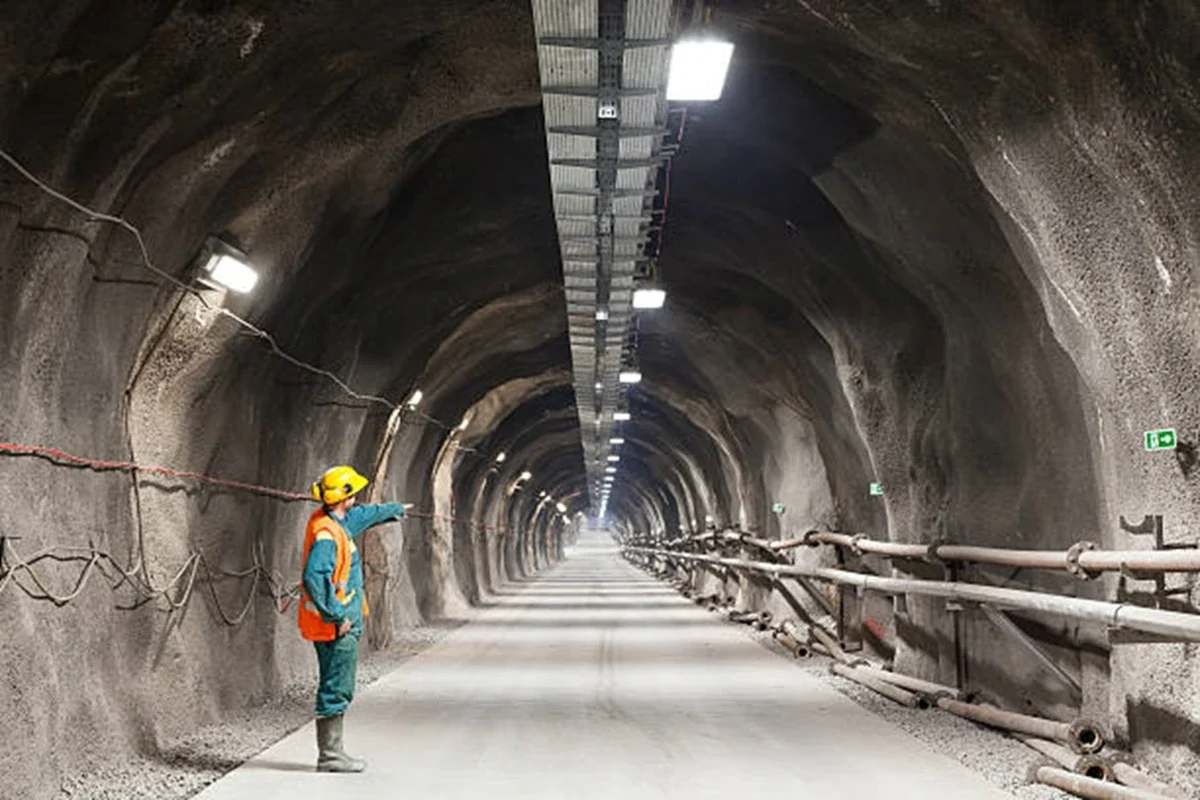
Nepal is a developing country, which needs to accelerate in developing its crucial infrastructures for the economic prosperity of the people living. Tunneling in Nepal started in 1917 with the first tunneling project the Churia Tunnel which is a highway tunnel of 500 meters long that facilitate trade between Kathmandu and Raxaul. The use of underground space is not new and people in this country have used underground space for many years, with early miners digging small tunnels and caves to get minerals like copper, iron, lead, cobalt, nickel, and different colored stones. In recent past the tunneling activities have increased considerably in the country with the development of many medium scale hydropower projects.  

Tunnels and underground caverns in Nepal are primarily required in four key areas:

  1. Water conveyance
  2. Transportation
  3. Mining, and
  4. Food storage facilities.

Modern and institutionalized tunneling in Nepal began with the excavation of tunnels and an underground powerhouse for the Tinau Hydroelectric Project near Butwal in 1970, marking the beginning of approximately 75 kilometers of tunnel construction. Numerous hydropower development projects have been implemented till date, along with the country’s first road tunnel construction project, the Nagdhunga Tunnel which is now nearing completion. In Nepal, major rivers originate in the Himalayas and hold substantial potential for hydropower generation. Moreover, the future of tunneling in Nepal looks promising with several ongoing and planned projects mostly related with transportation and Hydropower. These projects are indicating the growth in Nepal’s infrastructure development.

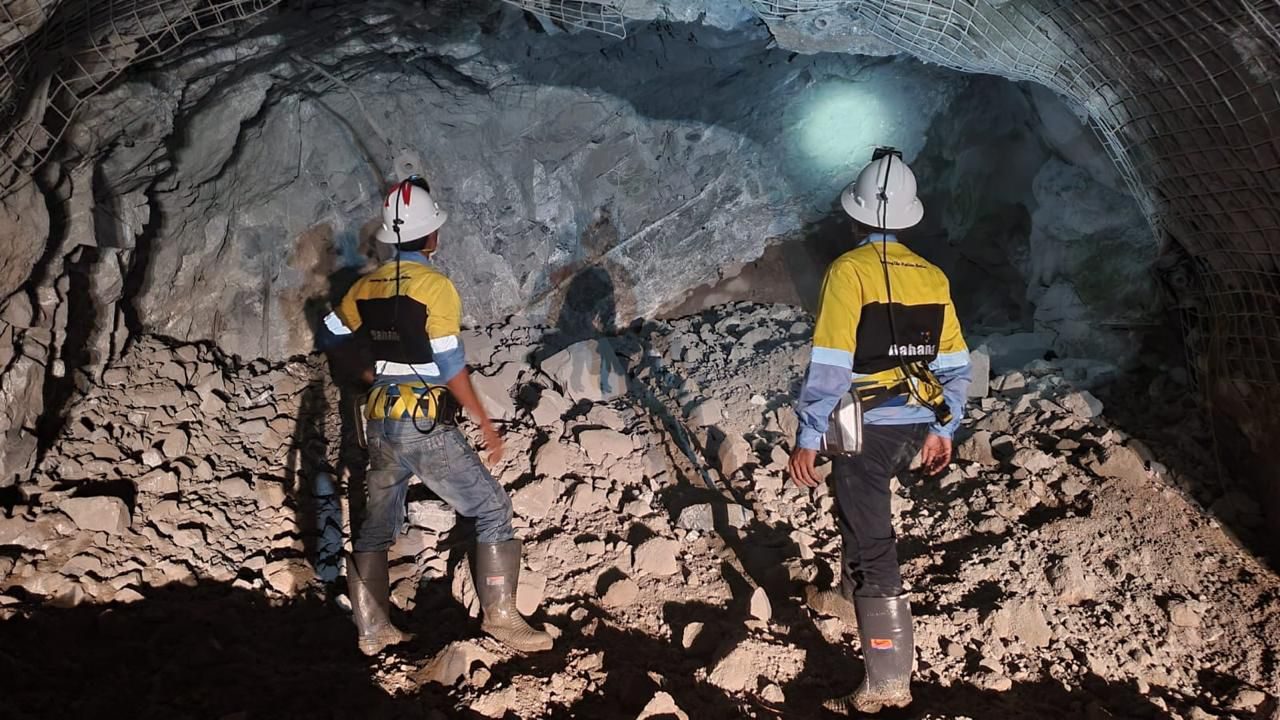
In the present scenario the explosives continue to play a vital role in tunneling worldwide, especially in challenging geographical conditions.  The use of explosive in Nepal initially started for basic operations such as mining, road construction etc, in the mid 20’s. For tunnel excavation, Nepal mostly uses the drill-and-blast technique. This involves drilling holes into rock faces and detonating explosives to fragment the rock. While this method was effective, this method can lead to challenges such as over breaking of rocks especially in jointed or fractured rock formations that leads to increasing the cost as well as poses safety risk.

As of 2025, Nepal employs various types of explosives in it’s tunneling projects, particularly for hydropower and infrastructure development. The selection of explosives materials such as detonators, initiating system, packed explosives and others is influenced by geological conditions, project scale, and availability.  Challenges are still yet to be overcome in complex geological structures in Nepal. To mitigate this limitation of traditional method, Nepal is gradually adopting Tunnel Boring Machine (TBM) for tunnel excavation. TBM can be the most efficient method of tunneling as Nepal has a critical structure, TBM can help in completion of projects in less period with safety and less environment impact.  

READ MORE
mmsmc.com
PUBLICATIONSNews
March 17, 2025 By mmsmccom

Enhancing Blasting Efficiency with Electronic Detonators

Blasting operations play a crucial role in mining, tunneling, and construction projects, where precision and control are vital for achieving optimal results. One of the most significant advancements in blasting technology is the use of electronic detonators, which offer highly precise delay timings. This precision directly impacts blast performance by reducing overbreaks, minimizing vibrations, and achieving greater pull and advance rates. Compared to traditional electric or non-electric systems, electronic detonators provide superior control over the blast sequence, leading to more efficient fragmentation and reduced material wastage.

One of the key advantages of electronic detonators is their ability to significantly reduce overbreaks. In tunneling and underground mining, excessive breakage beyond the intended blast perimeter can lead to structural instability and additional support costs. By ensuring millisecond-level accuracy in delay sequencing, electronic detonators help control the extent of rock breakage, preserving the integrity of surrounding structures and reducing the need for post-blast scaling and reinforcement. Additionally, the controlled energy release minimizes ground vibrations, which is critical in sensitive areas where excessive vibrations can damage nearby infrastructure or cause safety hazards.

Another major benefit of using electronic detonators is their ability to deliver greater pull and advance rates in blasting cycles. Traditional detonators often suffer from inaccuracies in delay timing, leading to inefficient energy distribution and uneven rock fragmentation. Electronic detonators, on the other hand, allow for optimized timing sequences, ensuring better rock displacement and improved face advance per blast. This leads to higher productivity, reduced downtime, and better overall cost efficiency in large-scale excavation projects.

From a safety perspective, electronic detonators offer substantial advantages over electric detonators. Unlike electric detonators, which are susceptible to stray electrical currents, radio frequency interference, and misfires, electronic systems provide enhanced security through encrypted communication and programmability. Additionally, electronic detonators allow for real-time diagnostics and verification before initiation, reducing the risks of unexpected failures or misfires. The improved precision and control over initiation sequences also minimize fly-rock incidents, making blasting operations safer for workers and surrounding environments. Overall, the shift towards electronic detonators represents a significant leap in both operational efficiency and workplace safety in the blasting industry.


READ MORE
banned
NewsPUBLICATIONS
March 11, 2025 By mmsmccom

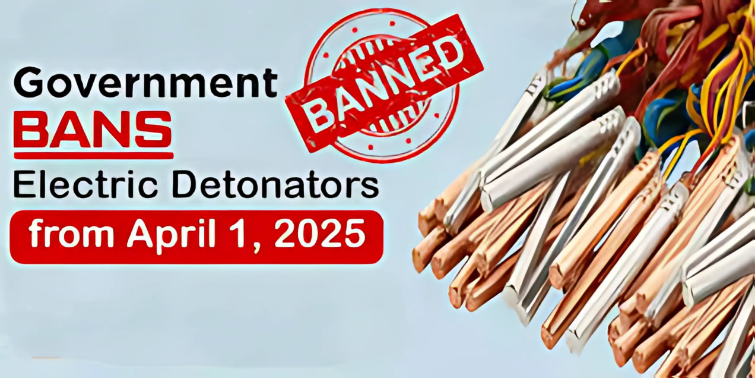
Government of India to Discontinue Electric Detonators from March 30, 2025: A Safer, More Productive Future with Electronic


Detonators

The Government of India has officially announced the discontinuation of electric detonators, effective March 30, 2025. This decisive move is aimed at enhancing safety standards and improving blasting efficiency in mining, construction, and infrastructure projects. As industries transition to electronic detonators, Orica is at the forefront of this change, introducing its cutting-edge TigerDet Electronic Detonators along with an advanced Blaster system.


Why Shift from Electric to Electronic Detonators?

  1. Enhanced Safety

Electric detonators are prone to unintentional initiation due to stray currents, static electricity, and radio frequency interference (RFI). This poses a significant hazard in high-risk environments like tunneling and mining. Electronic detonators offer superior protection by eliminating these risks, ensuring controlled and precise initiation.

  1. Superior Accuracy and Precision

Unlike traditional electric detonators, electronic detonators provide microsecond accuracy in timing. This results in better fragmentation, reduced overbreak, and minimal vibration, which is especially crucial in sensitive projects such as tunnel construction.

  1. Higher Productivity and Cost-Efficiency

  The precision of electronic detonators ensures optimized rock breakage, reducing the need for secondary blasting and minimizing excavation costs. This leads to faster project completion, lower downtime, and improved overall efficiency.

Impact on Tunneling Projects in Nepal

Nepal’s infrastructure landscape is witnessing rapid transformation, with several ambitious tunneling projects underway. The adoption of electronic detonators will bring unmatched safety and efficiency to these projects. With improved blast control, tunneling in challenging terrains will become more predictable and environmentally friendly, reducing the impact on surrounding structures.

Orica’s TigerDet: Leading the Future of Blasting

To support this transition, Orica is set to launch TigerDet Electronic Detonators, a state-of-the-art solution designed to maximize safety and performance. The system will be complemented by a high-tech Blaster, ensuring smooth operation and reliable initiation.

Orica is also committed to training all customers in handling and using electronic detonators effectively. This initiative will equip industry professionals with the knowledge and skills required to ensure a seamless shift from electric to electronic systems.

Preparing for the Transition

With the deadline approaching, companies and contractors must take proactive steps to upgrade their blasting systems. Orica’s customer training programs will be instrumental in ensuring a smooth adoption of electronic detonators in compliance with regulatory changes.

The shift to electronic detonators is not just a regulatory requirement, it is a transformative step towards a safer, more efficient, and technologically advanced future in blasting operations. With Orica leading the way with TigerDet, the industry is poised for a significant leap in safety and productivity.

For more details on TigerDet and Orica’s training programs, stay tuned for upcoming workshops and demonstrations.

Are you ready for the transition? Contact Orica today to learn more about TigerDet and the future of safe and efficient blasting!

READ MORE

Ready To Start Work With Us?

We work with a passion of taking challenges and creating new ones in advertising sector.

+977-01-5427223

Sunday – Friday
10:00 AM – 5:30 PM
Saturday: CLOSED
G e t   a   Q u o t e
Quick Links
  • Company
  • How it’s Work
  • Service
  • Case Studies
  • Pricing
  • Privacy Policy
  • Support
  • Press media
  • Careers
  • Contact
  • Best Accounting Software in Nepla
Search
Newsletter

Subscribe to our newsletter and never miss an update! Be the first to know about the latest trends, insights, and exclusive offers. Whether it’s expert tips, industry news, or special promotions, our newsletter delivers valuable content right to your inbox.

Copyright © 2024 Mohanman Shaktiman (MMSM). All Rights Reserved