Transformative Impacts: How lower Likhu Hydropower benefits in sustainable development
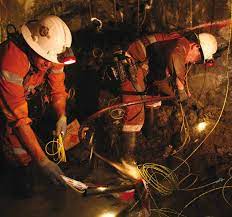
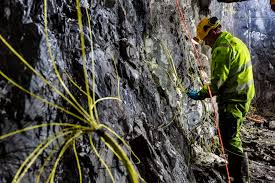
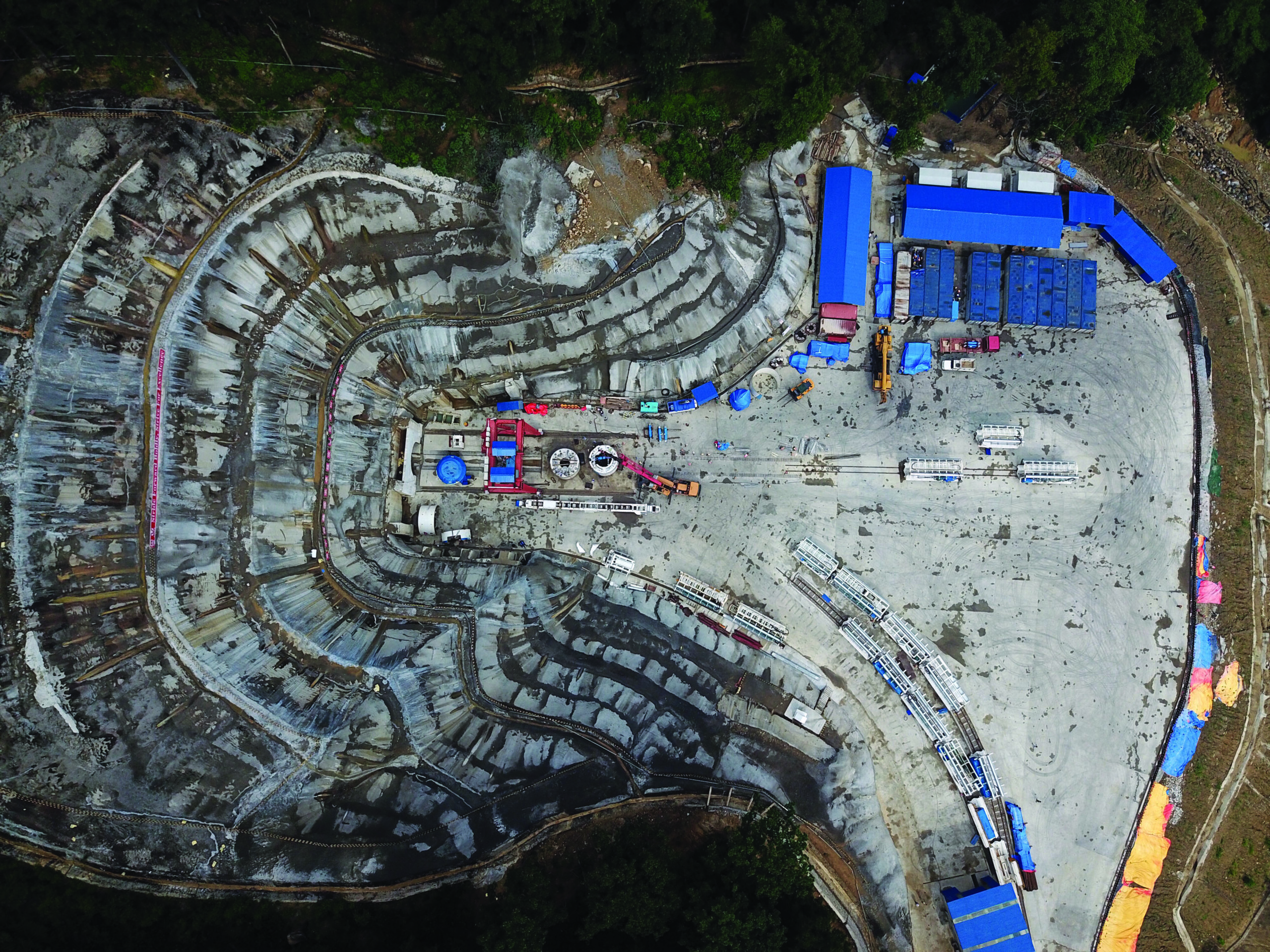
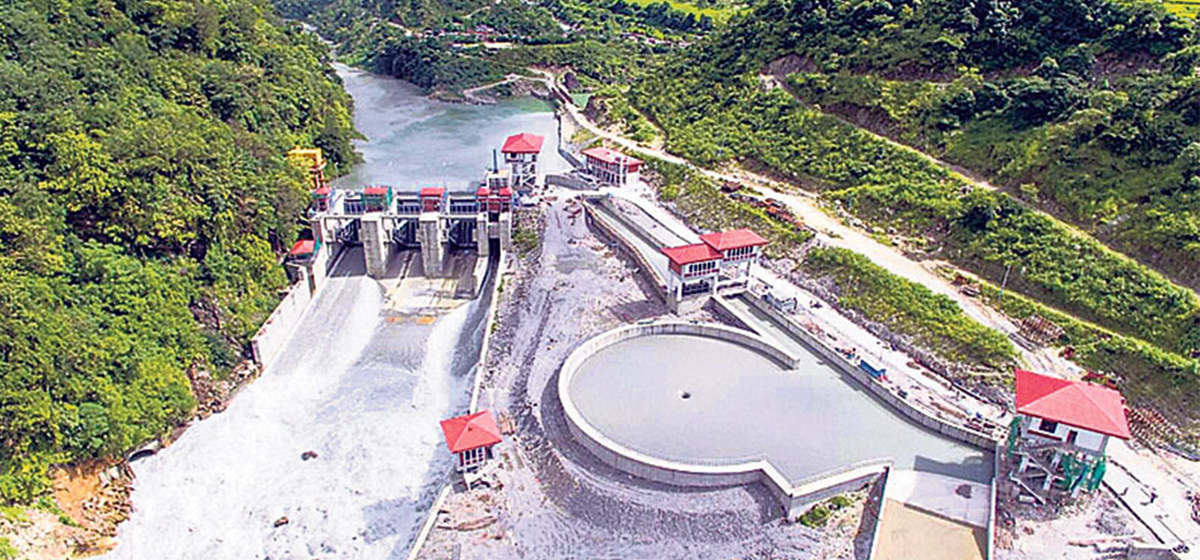
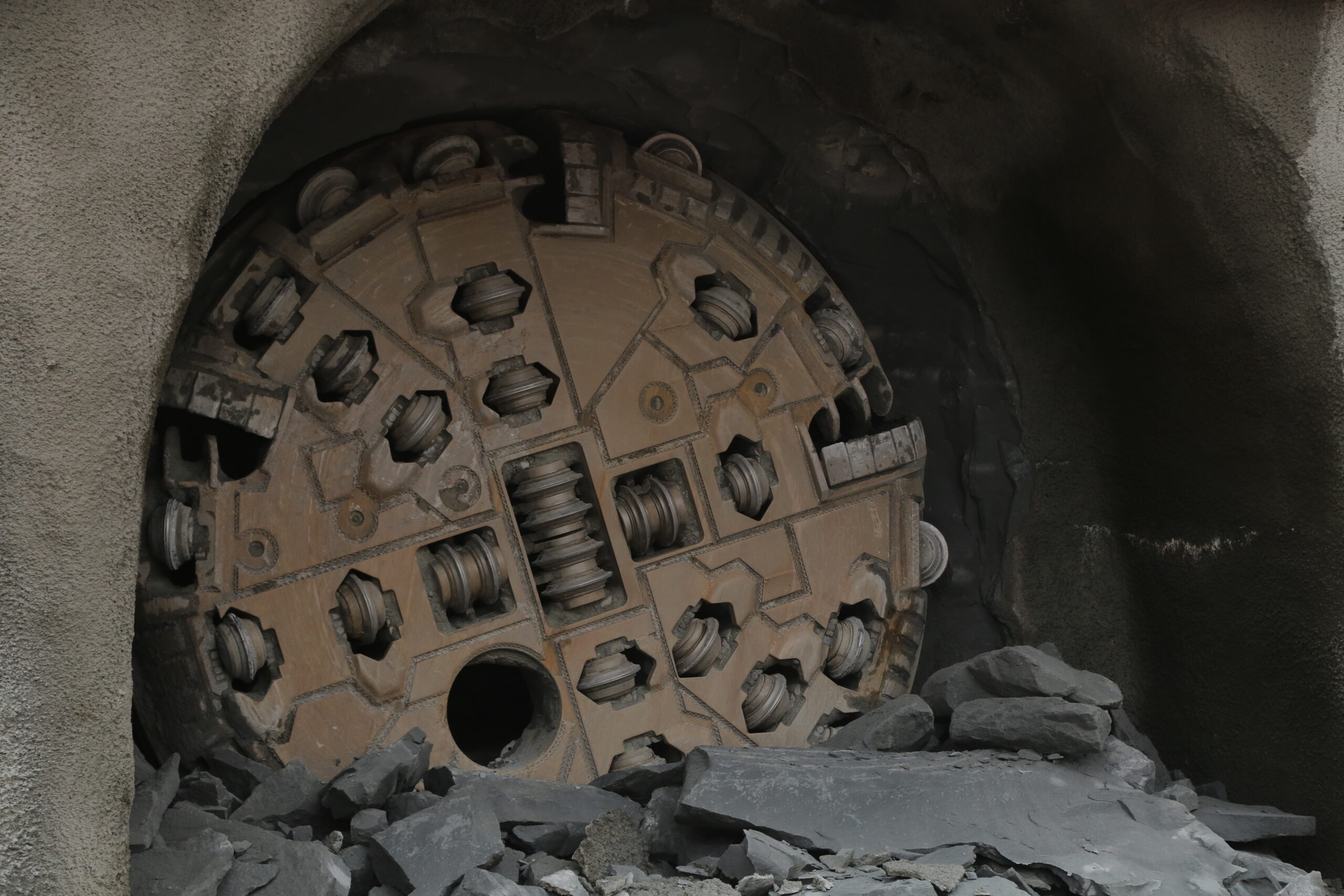
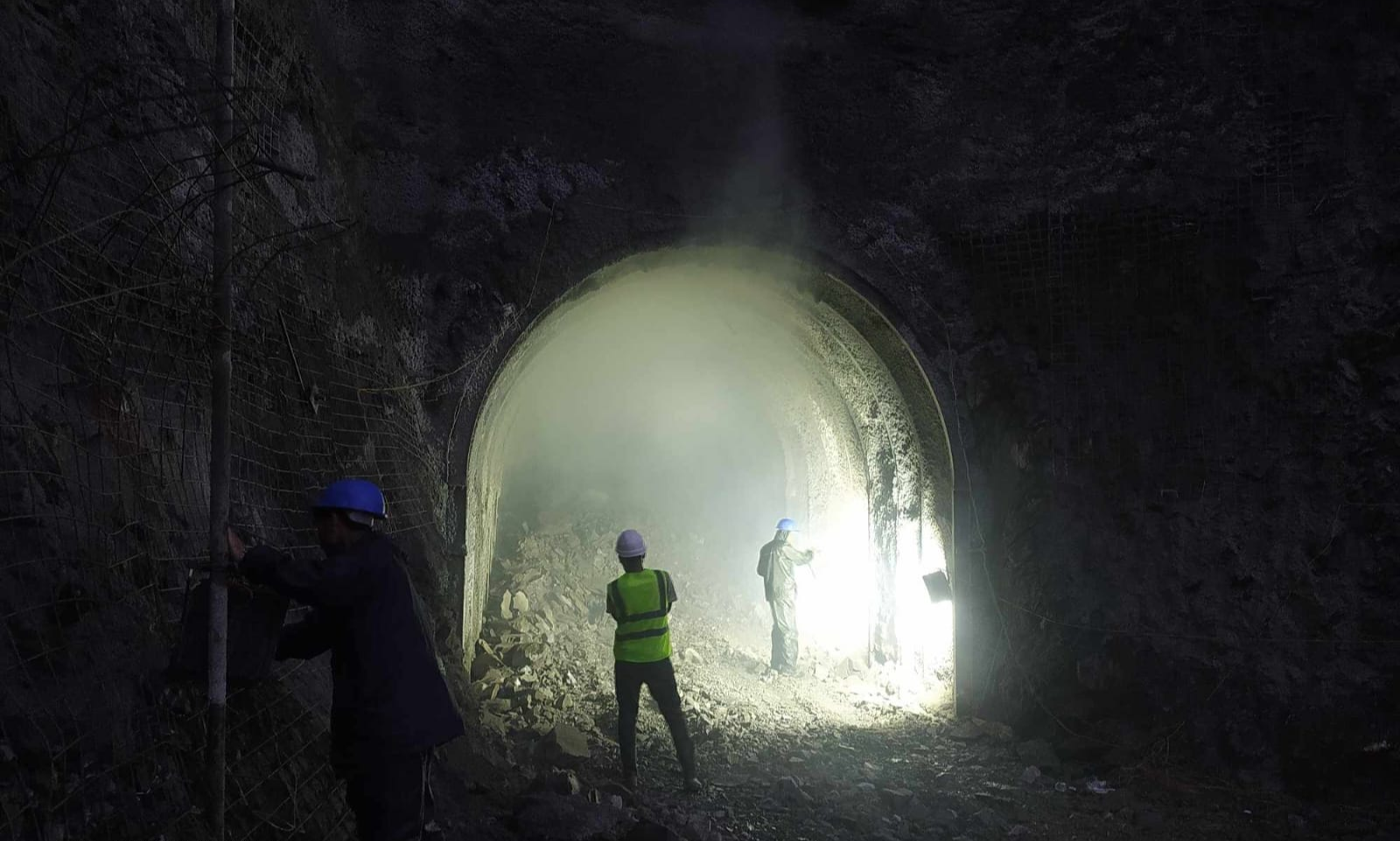
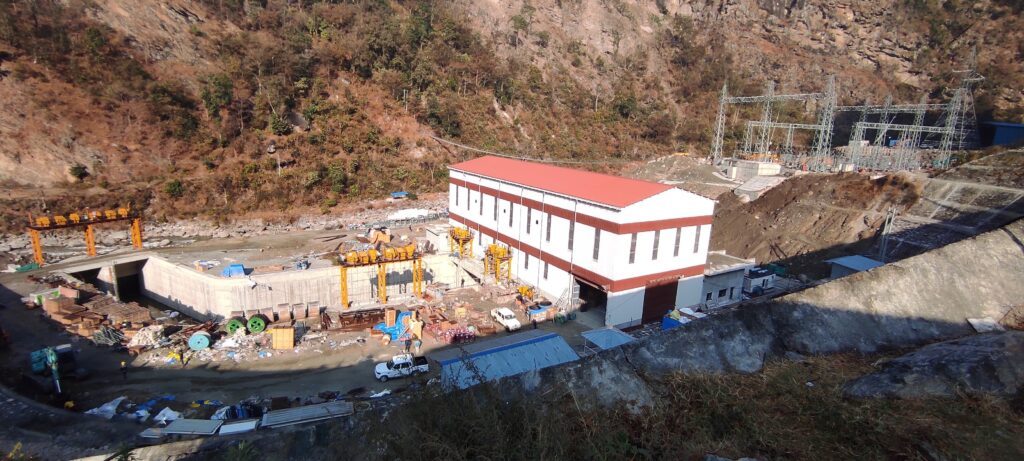
The Lower Likhu Hydropower Project (28.1 Mw) is runoff river type project located at Ramechhap and Okhaldhunga Districts. The total length of the tunnel is 4797 m, and the excavation of tunnel is done by traditional drilling and blasting process. MMSM helped overcome the challenges by supplying the necessary explosive technologies.
Project Overview:
Project Name | Lower Likhu Hydropower |
Project Location | Likhu River |
Project District | Ramechhap, Nepal |
Project Capacity | 28.1 MW |
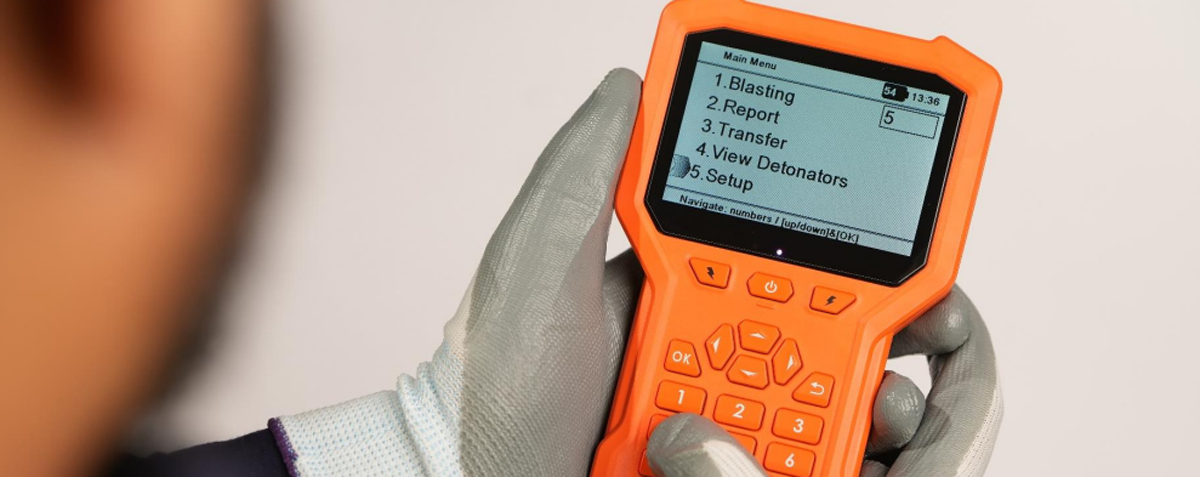
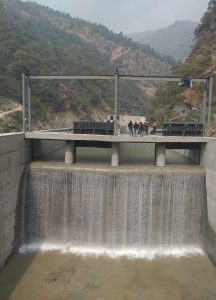 Various tunneling challenges were faced by this hydropower project due to complex geology in the Himalayan region such as high overburden pressure areas, rock bursts and spalling etc. MMSM worked effectively in the supply of explosives to this project, the supply of explosives such as detonators, detonating cords, non-electric detonators etc has led in timely completion of the project. MMSM used the product of ORICA, the worlds renowned manufactures of explosives. MMSM also provided necessary training and awareness about the sustainable ways of blasting without affecting the environment, management of the vibrations that disrupt the local and natural commodities.
Even though the challenges faced by this project such as local communities’ disruption, the project now has been sourcing for many benefits. Generating employment opportunities, boost of local business, water management, empowering the household and industries etc that helped in sustainable development of that area. MMSM as the explosive partner for this project takes pride in contributing to this impact through safer, smarter tunneling solutions.


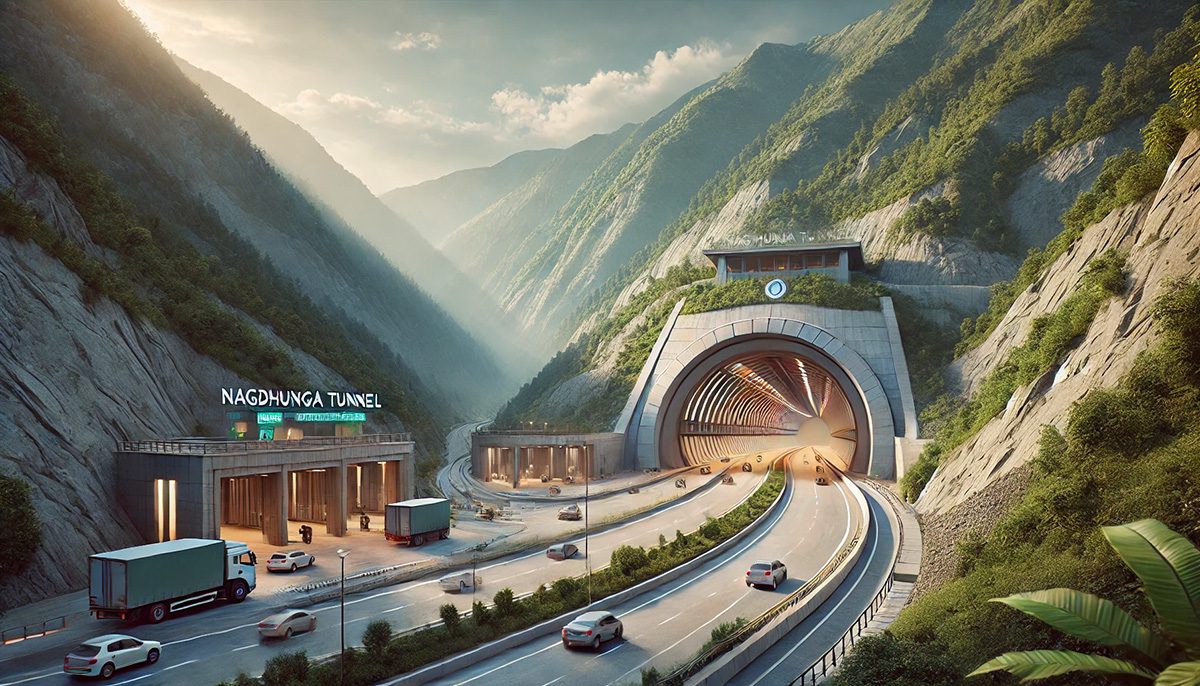
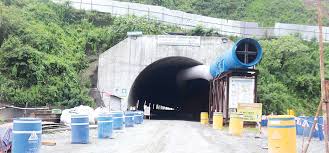 The tunnel has a height of 8.3 meters and a lane width of 9.5 meters. Therefore, the Nagdhunga Tunnel Project is a game-changer for Nepal’s road infrastructure, aiming to reduce travel time, ease traffic congestion, and improve connectivity between Kathmandu and the western regions of Nepal.
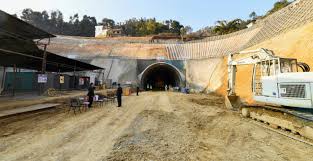 Thus, this led to safe and controlled blasting to break through tough rock formation, timely excavation, and minimized environmental impacts.
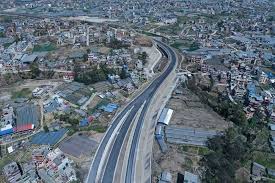 Naghdhunga Tunneling Project is now in its final stage, with approximately 87 percent of the construction work completed. Even with the rapid progress of construction, it will take a year before the tunnel route is ready for vehicle operation. Once the project is completed it will take seven minutes to travel from Sisnekhola to Balambu. Additionally, the flyover towards Balambu is in its final stage, with about 97 percent of the work already completed. Thus, by the end of 2025, the tunnel is expected to be softly opened.