

Category: PUBLICATIONS


NewsPUBLICATIONS
MMSM – Orica successfully completes first ever Electronic Blasting System – TigerDet Training & Demonstration in Nepal – Upper Seti HPP
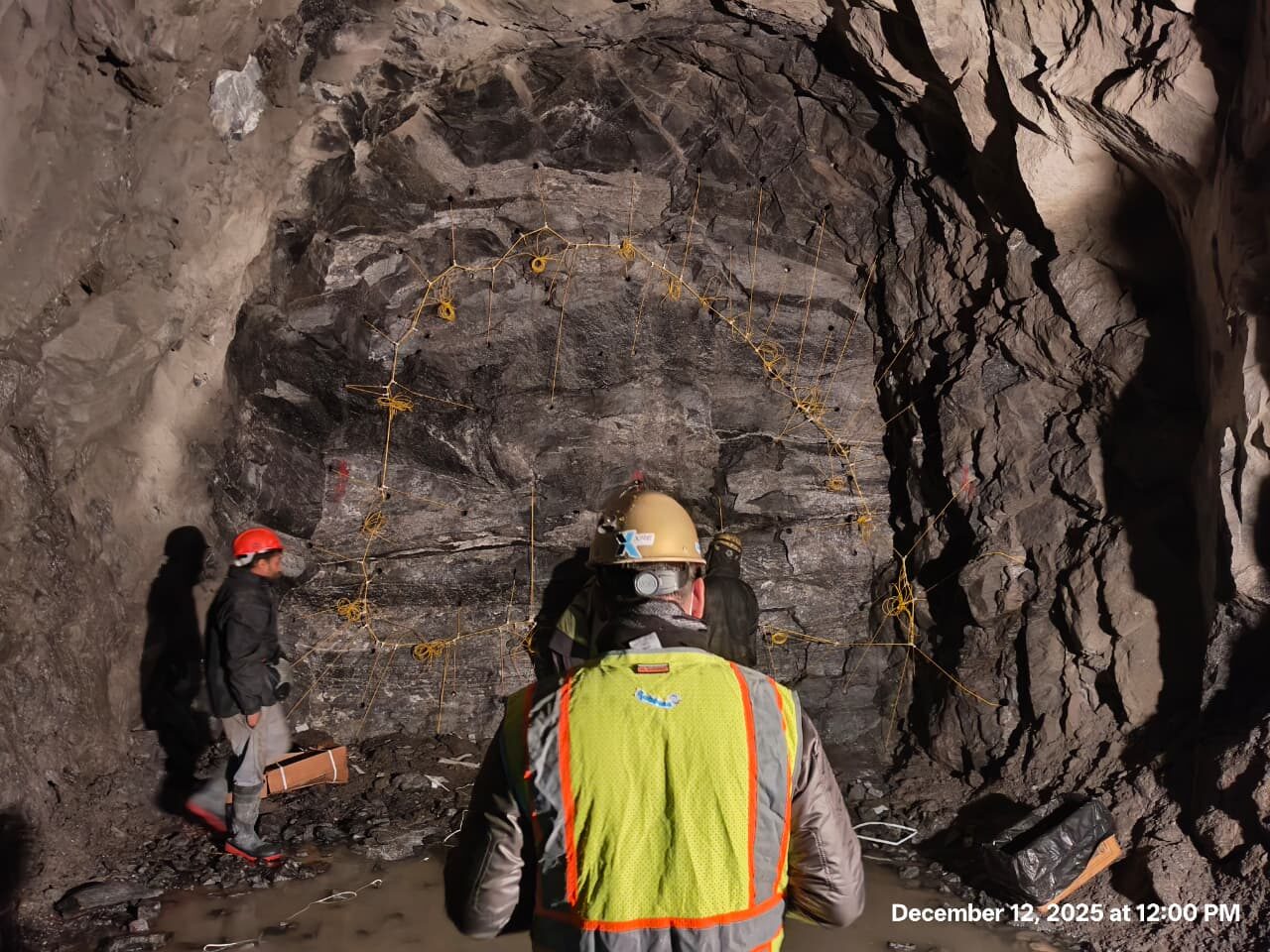
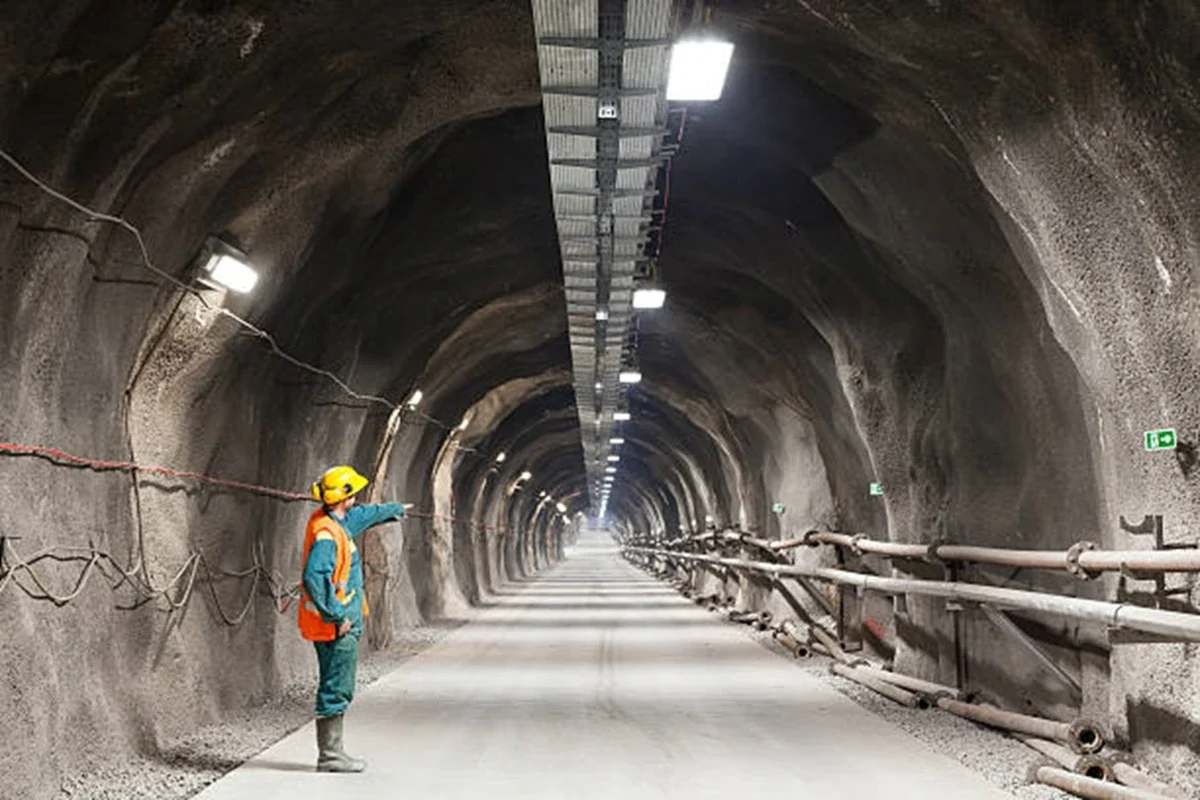
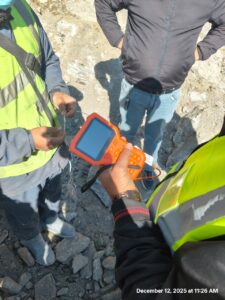 The application of advanced blasting technologies is essential for improving safety, precision, and excavation efficiency in large hydropower projects. On 12th December 2025, Electronic Blasting System (EBS) – TigerDet was successfully introduced at the Upper Seti Hydropower Project through a controlled blast conducted by Mohanman Shaktiman, authorized Channel Partner of Orica in collaboration with blasters and geologists of Upper Seti Hydropower Project. The blast employed Orica’s TigerDet electronic detonators with Orica – Blaster marking a significant advancement in blasting practices at the project site.
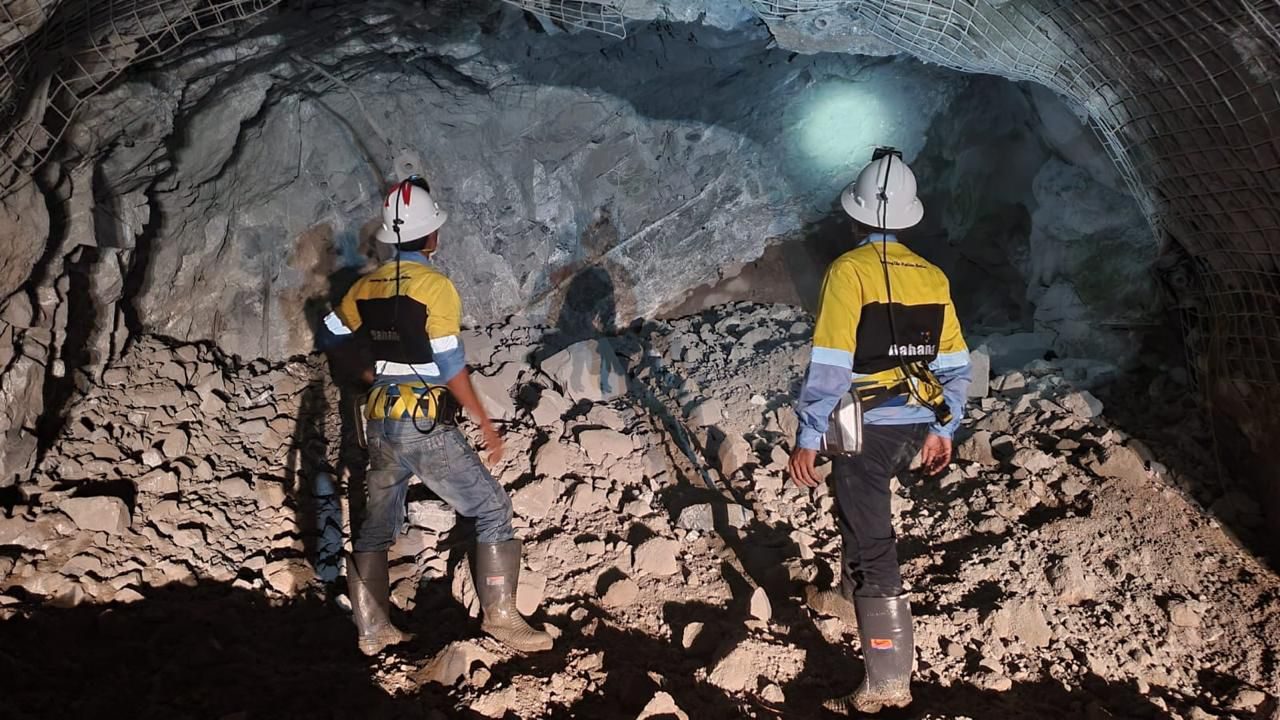
Mr. Kamal Nayak, senior mining engineer and export manager from Orica India along with MMSM Blast Tech-Geologist Mr. Lok Raj Bajgai conducted training on safe and efficient operations of the Electronic Blasting System TigerDet to the site blasters, geologists and project manager of Upper Seti Hydropower Project.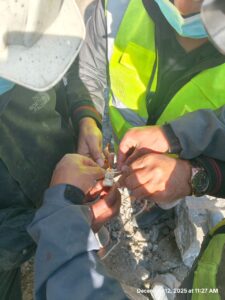 The training was conducted both on open and inside the tunnel. The site blasters and geologists are now fully capable of handling TigerDet and Blaster by themselves to conduct future blasts. Nepal Army personal in-charge of security at site have also been briefed about this new technology in blasting and were also present during the training. The blast resulted in uniform fragmentation, reduced overbreak, and improved excavation profile control.
Electronic blasting systems use digitally programmable delays and allow verification of circuit integrity prior to firing, significantly improving safety and precision. TigerDet in case of projects in Nepal would be primarily used just to initiate the blast in absence of electric detonators. Electric detonators were earlier and still being used to initiate blasts. However, following a ban of electric detonators by Government of India due to the safety concerns of electric detonators, electronic detonators are being widely used in India and now in Nepal. 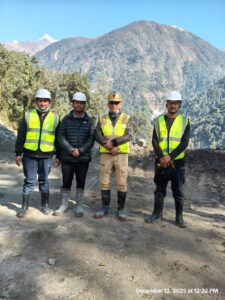 The successful implementation of electronic blasting represents a significant step toward modernizing blasting practices in Nepal’s hydropower sector.
Orica’s TigerDet electronic detonators offer millisecond-level delay accuracy, programmable timing, and resistance to electromagnetic interference. The electronic blast conducted on 12th December 2025 using Orica’s Tiger Det system under controlled conditions with full digital testing and validation before firing marks a milestone for the Upper Seti Hydropower Project and sets a benchmark for future projects.
NewsNewsPUBLICATIONS
How to minimize explosive cost using smart blasting
Abstract:
Blasting operations in Nepal’s hydropower, road, and mining sectors are essential yet costly. A significant portion of explosive-related expenditure can be minimized through the application of smart blasting principles involving rock mass characterization, precision design, proper explosive selection, and post-blast analysis.
Introduction
The rapid development of Nepal’s infrastructure has led to increased use of explosives in civil engineering and mining. Traditional blasting methods often result in high costs, poor fragmentation, excessive overbreak, and safety risks. This article outlines how smart blasting practices can reduce explosive costs while maintaining or improving blast performance.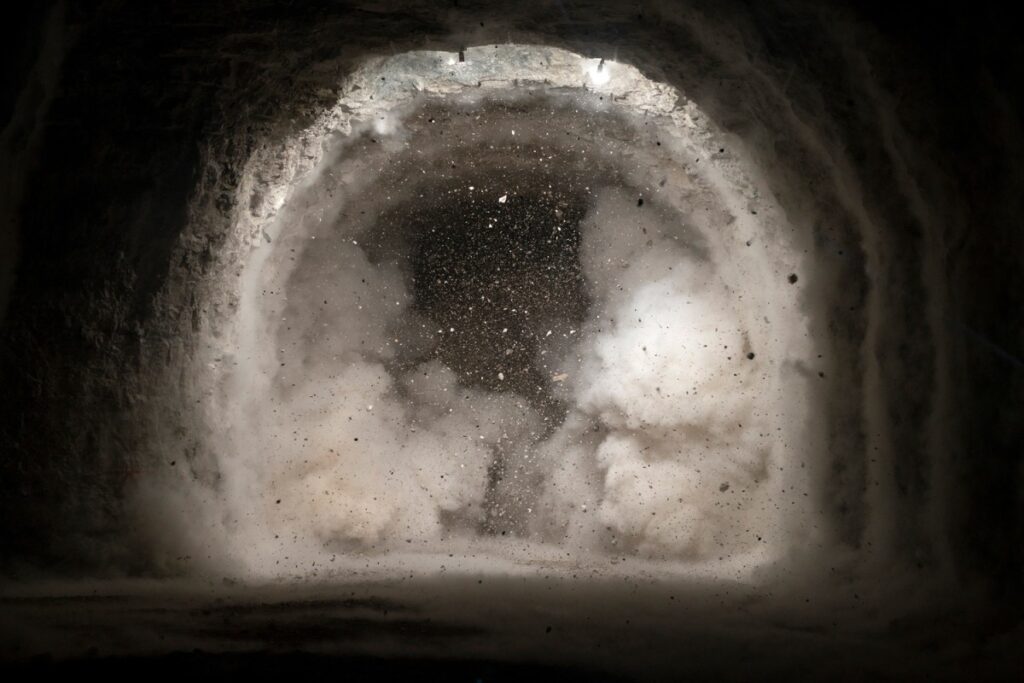
- Rock Mass Characterization
The selection and quantity of explosives must align with rock type and condition. Nepal features a diverse geological profile from hard rock formations to fractured weak rock layers.
- Hard, massive rock requires less energy for clean fragmentation.
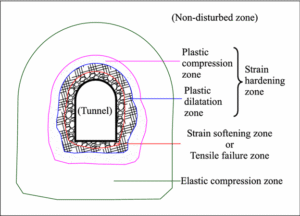
- Highly fractured or weak rock is susceptible to overbreak with conventional blasting.
Recommendation: Implement pre-blast rock classification using RMR or Q-system to optimize powder factor accordingly.
- Blast Design Optimization
Modern blast design involves accurate planning of burden, spacing, hole depth, and initiation timing.
- Use tools like SHOTPlus, AUTOCAD, or OTHERS software for simulation.
- Adjust burden and spacing based on bench height and rock type.
- Use decking in weak or mixed geological zones.
- Use of Delay and Electronic Detonators
Precision in initiation timing improves energy distribution, reduces overbreak, and enhances muck pile shape.
- Nonel (non-electric) or electronic detonators are recommended over conventional systems.
- Delay intervals that is milliseconds delay can significantly reduce vibrations and improve fragmentation for Surface
- Explosive Selection
The type of explosive should match site conditions:
Note: Always match explosive type with moisture conditions and desired energy output.
Explosive Type | Use Case | Cost Level |
ANFO | Dry and accessible sites | Low |
Emulsion | Water-bearing tunnels, shafts | Moderate |
Cartridge | Precise or restricted space | High |
- Blast Monitoring and Feedback
Post-blast evaluation should include:
- Pull efficiency
- Fragmentation analysis
- Vibration monitoring
- Overbreak volume
These metrics inform future adjustments, improving consistency and reducing cost per cubic meter.
- Logistical Considerations
Remote tunneling and hydropower project sites in Nepal face high transportation costs and logistical challenges in the supply of explosives. To address these issues while maintaining safety and efficiency, the following measures can be adopted:
Efficient and safe handling of explosives in remote tunneling projects requires careful planning of logistics. The main considerations include:
- Transportation Routes
- Mountainous terrain, narrow roads, and seasonal blockages (landslides, snow, floods) increase risks and costs.
- Vehicles should comply with explosive transport regulations and be equipped with fire extinguishers, warning signs, and safety gear.
- Security & Regulations
- Explosives transport requires coordination with local administration, police, and the Department of Explosives.
- Proper documentation, permits, and escorts are often mandatory.
- Storage Facilities
- Regional magazines & Bunkers should be located at safe distances from settlements, water bodies, and project offices.
- Facilities must meet licensing requirements, with fencing, guards, and blast-proof structures.
- Supply Chain Coordination
- Establish agreements with suppliers to ensure timely delivery.
- Minimize overstocking at site (safety hazard) and understocking (work delays).
- Synchronize blasting schedules with delivery timelines.
- Cost Management
- Transport to remote sites significantly adds to project cost.
- Bulk procurement and shared magazines across multiple projects can reduce expenses.
- Emergency Preparedness
- Contingency plans for accidents during transport or storage.
- Training of drivers, blasting crew, and security staff in emergency response.
Conclusion
Smart blasting is a multidisciplinary approach that blends field geology, engineering design, and modern technology. It is particularly suitable for Nepal’s variable terrain and infrastructure challenges.
Implementing smart blasting not only reduces direct explosive costs but also improves overall project efficiency, safety, and environmental impact.
NewsPUBLICATIONS
नेपालमा सुरुङ निर्माणको भविष्य र विस्फोटक पदार्थहरूको भूमिका
नेपाल एक विकासशील देश हो, जहाँ जनताको आर्थिक उन्नतिका लागि आधारभूत संरचनाको विकास गर्नु अत्यावश्यक छ। नेपालमा सुरुङ निर्माणको सुरुवात सन् १९१७ मा भएको हो, जब काठमाडौं र रक्सौलबीच व्यापार सुगम बनाउन लगभग ५०० मिटर लामो चुरे सुरुङ (राजमार्ग सुरुङ) बनाइएको थियो। भूमिगत स्थानको उपयोग नेपालमा नयाँ होइनस प्राचीन कालदेखि नै मानिसहरूले तामा, फलाम, क्वार्ट्ज सिलिका, कोबाल्ट, निकेल र अन्य रंगीन धातुहरू निकाल्न साना सुरुङ र गुफाहरू खनेर यसको प्रयोग गर्दै आएका छन्। हालैका वर्षहरूमा मध्यम क्षमताका जलविघुत परियोजनाहरू बढेसँगै सुरुङ निर्माणको कार्य पनि धेरै बढेको छ। नेपालमा सुरुङ र भूमिगत संरचनाहरू मुख्य रूपमा चार प्रमुख क्षेत्रहरूमा आवश्यक छन् :
१. पानी प्रवाह (जलस्रोत प्रबन्धन)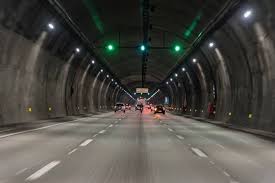
२. सडक सुरुङ
३. खानी
४. खाद्य भण्डारण
नेपालमा आधुनिक र संगठित तरिकाले सुरुङ निर्माणको सुरुवात सन् १९७० मा तिनाउ जलविद्युत आयोजना (बुटवल नजिक) बाट भएको हो, जसमा पहिलो पटक सुरुङ र भूमिगत पावर हाउस बनाइएको थियो। त्यसपछिका वर्षहरूमा यहाँ १०० किलोमिटरभन्दा बढी लामा सुरुङहरू निर्माण भइसकेका छन्। यसको उदाहरण मेलम्ची खानेपानी आयोजनाको २५.९ किलोमिटर लामो सुरुङ हो, जुन अहिलेसम्मको सबैभन्दा लामो सुरुङ हो। धेरै अन्य सुरुङहरू हाल नेपालमा निर्माणाधीन अवस्थामा छन्। यसैगरी, नागढुंगा सुरुङ (देशको पहिलो राजमार्ग सुरुङ आयोजना) निर्माणको अन्तिम चरणमा पुगेको छ, जसले नेपालको पूर्वाधार विकासमा ठूलो प्रगतिको संकेत दिन्छ।
नेपालमा विस्फोटक पदार्थको प्रयोग र यसको विकास
विश्वभरका जटिल भूगर्भीय क्षेत्रहरूमा जस्तै नेपालमा पनि सुरुङ निर्माणका लागि विस्फोटकको प्रयोग अपरिहार्य छ। देशमा विस्फोटकको उपयोगको इतिहास सन् २००० देखि सुरु भएको हो, जुन सुरुवाती चरणमा प्रमुख रूपले खनन कार्य र सडक निर्माणसम्म सीमित थियो। वर्तमान समयमा यस प्रविधिले सुरुङ निर्माण र अन्य जटिल पूर्वाधार परियोजनाहरूमा केन्द्रीय भूमिका निर्वाह गरिरहेको छ।
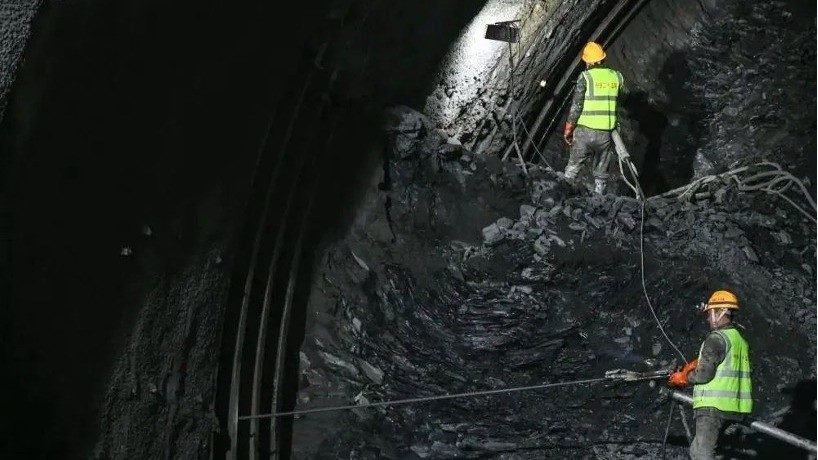
नेपालमा सुरुङ निर्माणको प्रमुख विधि ‘ड्रिल एण्ड ब्लास्टु’ (Drill and Blast) हो। यस विधिमा चट्टानमा ड्रिलिङ गरी प्वालहरू बनाइन्छ र तिनमा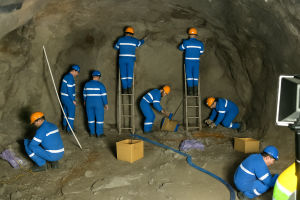 विस्फोटक राखेर विस्फोट गरिन्छ, जसले गर्दा चट्टान चूर्ण भई टुक्रा हुन्छ। यद्यपि यो प्रविधि कार्यक्षम भए तापनि, विशेषतः अस्थिर चट्टानी संरचनामा अत्यधिक चट्टान भत्किने (Overbreak) समस्या उत्पन्न हुन सक्छ। यसले निर्माण खर्च बढाउनुका साथै सुरक्षा सम्बन्धी जोखिम पनि बढाउँछ।
२०२५ सम्म नेपालले सुरुङ निर्माणका विभिन्न परियोजनाहरूमा डेटोनेटर, पहल प्रणाली, प्याक गरिएको विस्फोटक लगायत विभिन्न प्रकारका विस्फोटक सामग्रीहरू प्रयोग गरिसकेको छ। यी विस्फोटक सामग्रीहरूको चयन वातावरणीय परिस्थिति, भूगर्भीय बनावट, र सामग्रीको उपलब्धताको आधारमा सतर्कतापूर्वक गरिन्छ।
नेपालको जटिल भूगर्भीय संरचनाहरू अझै पनि ठूला चुनौतीपूर्ण छन्। यस समस्याको समाधानका लागि देशले अब ‘टनल बोरिङ मेशिन’ (TBM) प्रविधि अपनाउँदै गरेको छ। यस प्रविधिको प्रयोगले सुरुङ निर्माण कार्य छिटो, सुरक्षित र पर्यावरण अनुकूल बनाउँछ, जुन नेपालजस्तो जटिल भौगोलिक अवस्था भएको देशका लागि विशेष उपयोगी छ।
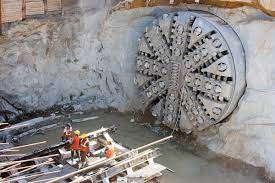 नेपालमा सुरुङ निर्माणको क्षेत्र उज्ज्वल सम्भावनाले भरिएको छ। जलबिद्धुत उत्पादन, यातायात व्यवस्था र अन्य आधारभूत संरचना विकासका परियोजनाहरूसँगै यस क्षेत्रमा आधुनिक प्रविधिको प्रचलन तीव्र गतिमा बढ्दै गइरहेको छ। यद्यपि प्रारम्भिक चरणहरूमा विस्फोटक प्रविधिको प्रयोग गरिएको थियो, तर अहिले संगसंगै आघुनीक प्रविधिको पनि प्रयोग हुदै आएको छ जस्तैः टनेल बोरिङ मेसिन (TBM)। यसले देशको दिगो आधारभूत विकासमा महत्त्वपूर्ण र टिकाऊ योगदान दिने अपेक्षा गरिएको छ।
NewsPUBLICATIONS
सुरुङ निर्माणमा नियन्त्रित विस्फोटन: प्रविधि र विस्फोटकको छनोट
नेपालमा जलविधुतीय, सडक सुरुङ, तथा खानेपानी आयोजनाजस्ता पूर्वाधारहरूको तीव्र विकाससँगै सुरुङ निर्माण परियोजना उल्लेखनीय वृद्धि भएको छ।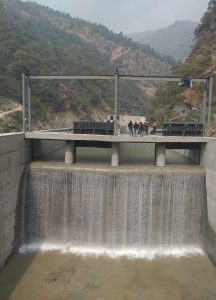 हिमाली भूभाग र जटिल भूगर्भीय बनावटका कारण, यस्ता परियोजनाहरूमा नियन्त्रित विस्फोटन (Control Blasting) एउटा सुरक्षित र प्रभावकारी खनन विधिका रूपमा प्रयोगमा आएको छ। यसको मुख्य उद्देश्य भनेको संरचनात्मक स्थिरता कायम राख्दै, वातावरणीय क्षति न्यूनीकरण गर्नु र कामदार तथा वरपरका समुदायको सुरक्षा सुनिश्चित गर्नु हो। यसैले, नेपालको जटिल भूपरिवेशमा नियन्त्रण गरिएको विस्फोटन केवल प्राविधिक उपाय मात्र नभई एक रणनीतिक विकल्प पनि बनेको छ।
नेपालमा नियन्त्रित विस्फोटनको कार्यविधि
नियन्त्रित विस्फोटन प्रक्रिया प्रारम्भमा विस्तृत भूगर्भीय र प्राविधिक अध्ययनबाट सुरु हुन्छ। नेपालको भौगोलिक विविधताका कारण ग्रेनाइट, चुनढुङ्गा, र अन्य नरम चट्टानहरू विभिन्न स्थानमा पाइन्छन्, जसअनुसार विस्फोटन डिजाइन (Design) फरक हुन्छ।
इन्जिनियरहरूको सहायताले विशेष ढाँचामा ड्रिलिङ होलहरू खनिन्छन् जस्तै:
- कट होलहरू: सुरुङको केन्द्र भागमा प्रारम्भिक विस्फोटनका लागि।
- लिफ्टर होलहरू: भुइँ चट्टान निकाल्नका लागि तल्लो भागमा।
- पेरिमीटर होलहरू: सुरुङको सटीक रूप र सीमाना निर्धारण गर्न।
यी प्वालहरूको स्थान, कोण र गहिराइ चट्टानको किसिम अनुसार तय गरिन्छ ताकि अव्यवस्थित रूपमा विस्फोटन कम होस् र सुरुङको आकार सटीक रहोस्।
प्रमुख नियन्त्रित विस्फोटन प्रविधिहरू
- स्मूथ विस्फोटन – भित्ताहरूलाई समतल र स्थिरराखी हल्का विस्फोटकसहित नजिकै ड्रिल गरिन्छ।
- पूर्व विभाजन – मुख्य विस्फोटन भन्दा अघि चिरा पारेर अव्यवस्थित रूप न्यूनीकरण गरिन्छ।
- कुशन विस्फोटन – मुख्यतया सुरुङको छेउ भागमा प्रयोग हुने प्रविधि जसले भित्ताहरू सुरक्षित राख्छ।
- डिले विस्फोटन – प्वालहरू क्रमशः मिलिसेकेन्डको फरकमा विस्फोट गरिन्छ, जसले कम्पन र क्षति घटाउँछ।
विस्फोटक छनोट
विस्फोटक सामग्रीको छनोट चट्टानको प्रकृतिमा आधारित हुन्छ
- कठोर चट्टानहरू जस्तै ग्रेनाइट, दर्शनढुङ्गा– उच्च शक्तिका विस्फोटक जस्तै इमल्सन
 Emulsion) वा एएनएफओ (ANFO – Ammonium Nitrate Fuel Oil) प्रयोग गरिन्छ । यी विस्फोटकहरूको डिटोनेसन वेग (Detonation Velocity) र उर्जात्मक क्षमता उच्च हुन्छ ।
 - मध्यम कठोर चट्टानहरू जस्तै चुनढुङ्गा – मध्यम श्रेणीका विस्फोटकहरू उपयुक्त हुन्छन्।
- नरम चट्टानहरू – जस्तै सिल्टस्टोन कम ऊर्जा दिने विस्फोटक प्रयोग गरिन्छ ताकि अनावश्यक क्षति नहोस्।
आधुनिक प्रविधिको प्रयोग: इलेक्ट्रोनिक डिटोनेटर
हालका वर्षहरूमा सुरुङ निर्माणमा नन–इलेक्ट्रिक (NONEL) वा इलेक्ट्रिक क्याप (Electric Caps) को तुलनामा, इलेक्ट्रोनिक डेटोनेटरहरूले (Electronic Detonators – EDs) मिलिसेकेन्ड स्तरमा उच्च सटीकता प्रदान गर्छन्, जसले विस्फोट नियन्त्रण, सुरक्षा, र परिणाममा उल्लेखनीय सुधार ल्याएको छ।
यस प्रविधिका विशेषताहरू: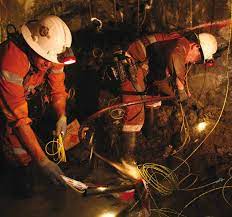
- विस्फोट समयको अत्यन्त उच्च सटीकता (मिलिसेकेन्डको अन्तरमा विस्फोट)
- विस्फोटनको राम्रो नियन्त्रण
- कम कम्पन
- संरचनात्मक जोखिममा उल्लेखनीय कमी
- अधिक सुरक्षित कार्य वातावरण
नेपालजस्तो जटिल भूगर्भीय संरचना भएको मुलुकमा, यो प्रविधि प्रभावकारी मात्र नभई अत्यावश्यक बनिसकेको छ।
PUBLICATIONSNews
Future of tunneling & How explosives are shaping in Nepal
Nepal is a developing country, which needs to accelerate in developing its crucial infrastructures for the economic prosperity of the people living. Tunneling in Nepal started in 1917 with the first tunneling project the Churia Tunnel which is a highway tunnel of 500 meters long that facilitate trade between Kathmandu and Raxaul. The use of underground space is not new and people in this country have used underground space for many years, with early miners digging small tunnels and caves to get minerals like copper, iron, lead, cobalt, nickel, and different colored stones. In recent past the tunneling activities have increased considerably in the country with the development of many medium scale hydropower projects.
Tunnels and underground caverns in Nepal are primarily required in four key areas:
- Water conveyance
- Transportation
- Mining, and
- Food storage facilities.
Modern and institutionalized tunneling in Nepal began with 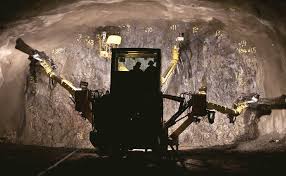 the excavation of tunnels and an underground powerhouse for the Tinau Hydroelectric Project near Butwal in 1970, marking the beginning of approximately 75 kilometers of tunnel construction. Numerous hydropower development projects have been implemented till date, along with the country’s first road tunnel construction project, the Nagdhunga Tunnel which is now nearing completion. In Nepal, major rivers originate in the Himalayas and hold substantial potential for hydropower generation. Moreover, the future of tunneling in Nepal looks promising with several ongoing and planned projects mostly related with transportation and Hydropower. These projects are indicating the growth in Nepal’s infrastructure development.
In the present scenario the explosives continue to play a vital role in tunneling worldwide, especially in challenging geographical conditions. The use of explosive in Nepal initially started for basic operations such as mining, road construction etc, in the mid 20’s. For tunnel excavation, Nepal mostly uses the drill-and-blast technique. This involves drilling holes into rock faces and detonating explosives to fragment the rock. While this method was effective, this method can lead to challenges such as over breaking of rocks especially in jointed or fractured rock formations that leads to increasing the cost as well as poses safety risk.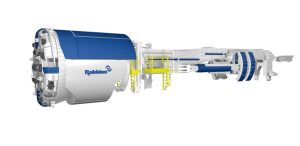 As of 2025, Nepal employs various types of explosives in it’s tunneling projects, particularly for hydropower and infrastructure development. The selection of explosives materials such as detonators, initiating system, packed explosives and others is influenced by geological conditions, project scale, and availability. Challenges are still yet to be overcome in complex geological structures in Nepal. To mitigate this limitation of traditional method, Nepal is gradually adopting Tunnel Boring Machine (TBM) for tunnel excavation. TBM can be the most efficient method of tunneling as Nepal has a critical structure, TBM can help in completion of projects in less period with safety and less environment impact.
PUBLICATIONSNews
Transformative Impacts: How lower Likhu Hydropower benefits in sustainable development
The Lower Likhu Hydropower Project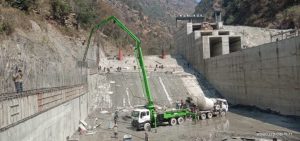 (28.1 Mw) is runoff river type project located at Ramechhap and Okhaldhunga Districts. The total length of the tunnel is 4797 m, and the excavation of tunnel is done by traditional drilling and blasting process. MMSM helped overcome the challenges by supplying the necessary explosive technologies.
Project Overview:
Project Name | Lower Likhu Hydropower |
Project Location | Likhu River |
Project District | Ramechhap, Nepal |
Project Capacity | 28.1 MW |
Various tunneling challenges were faced by this hydropower project due to complex geology in the Himalayan region such as high overburden pressure areas, rock bursts and spalling etc. MMSM worked effectively in the supply of explosives to this project, the supply of explosives such as detonators, detonating cords, non-electric detonators etc has led in timely completion of the project. MMSM used the product of ORICA, the worlds renowned manufactures of explosives. MMSM also provided necessary training and awareness about the sustainable ways of blasting without affecting the environment, management of the vibrations that disrupt the local and natural commodities.
Even though the challenges faced by this project such as local communities’ disruption, the project now has been sourcing for many benefits. Generating employment opportunities, boost of local business, water management, empowering the household and industries etc that helped in sustainable development of that area. MMSM as the explosive partner for this project takes pride in contributing to this impact through safer, smarter tunneling solutions.
PUBLICATIONSNews
Cut in Supply of Electric Detonators by Mohanman Shaktiman
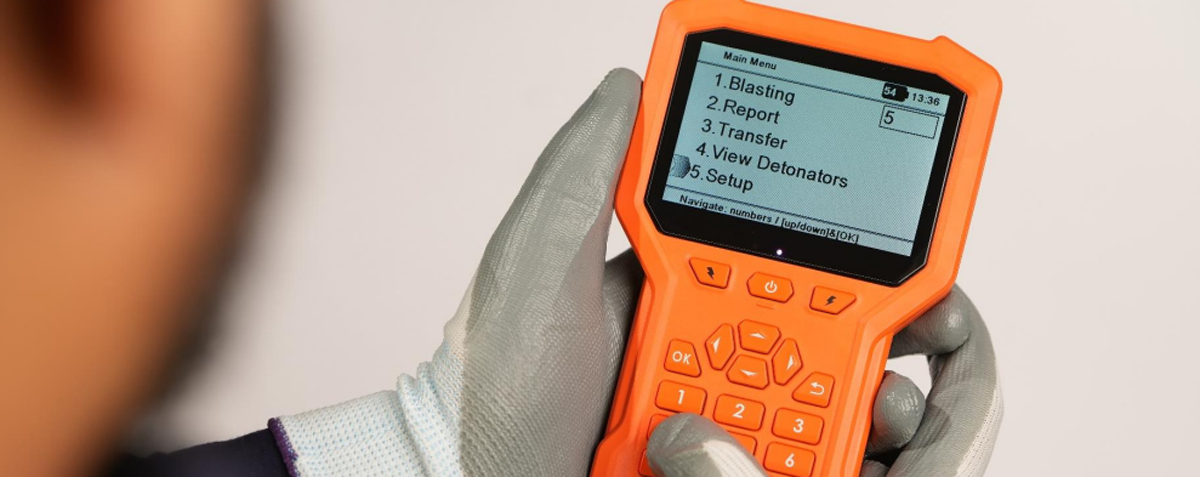
Starting April 1, 2025 the use of traditional electric detonators will be officially banned, marking a significant shift in the explosives industry. The ban aims to enhance safety and efficiency by the use of electronic detonators, which offer more accuracy and reliability.
Government of India and Mohanman Shaktiman’s decision to phase out electric detonators marks a significant shift in the blasting industry, reflecting a global move toward safer and more technologically advanced alternatives. With the reduction in electric detonator supply, Mohanman Shaktiman will adopt to Orica’s electronic blasting systems. Orica, a global leader in explosives and mining solutions, offers cutting-edge electronic detonator technologies that provide advance safety, efficiency, and environmental benefits.
Comparing Electric and Electronic Detonators
| Feature | Electric Detonators | Electronic Detonators |
| Safety | High risk of accidental initiation | Resistant to EMI and stray currents |
| Precision | Millisecond inaccuracy | Highly precise timing |
| Synchronization | Limited control over sequencing | Advanced sequential blasting capability |
| Remote Control | Not possible | Possible with some systems |
| Cost | Lower initial cost | Higher initial cost but more efficient in the long run |
Electric detonators have been widely used in Nepal’s major infrastructure projects, such as hydropower development, road construction, and mining operations. These detonators help in controlled rock blasting, tunnel excavation, and site preparation. However, they come with significant risk such as accidental initiation, uneven blasting due to timing accuracy and so on.
To overcome such risk MMSM shift towards using electronic detonators in Nepal, through this Nepal’s projects can benefit from enhanced safety, improved blast accuracy, and better environmental control, ensuring efficient and hazard-free execution of large-scale construction and mining operations.
What Makes Electronic Detonators a Better Choice?
Electronic detonators, which are now set to replace electric ones, come with advanced features that improve overall blasting safety and effectiveness. Their advantages include:
- Improved Safety: Electronic detonators use encrypted digital signals for activation, making them immune to accidental initiation by stray currents or EMI.
- Higher Precision: They allow for millisecond-level timing accuracy, ensuring better fragmentation, controlled vibrations, and reduced fly rock.
- Better Synchronization: They enable sequential blasting with high accuracy, which optimizes energy release and minimizes environmental impact.
- Remote Monitoring & Control: Some electronic detonator systems can be programmed and monitored remotely, reducing the need for personnel to be near the blast zone.

In this critical but much-needed transition, MMSM will provide guidance and support in all aspects of change that impact the environment. Additionally, it will play a key role in logistics and the supply of innovative tunneling technology, ensuring the efficient and sustainable development of explosives and tunneling operations.
PUBLICATIONSNews
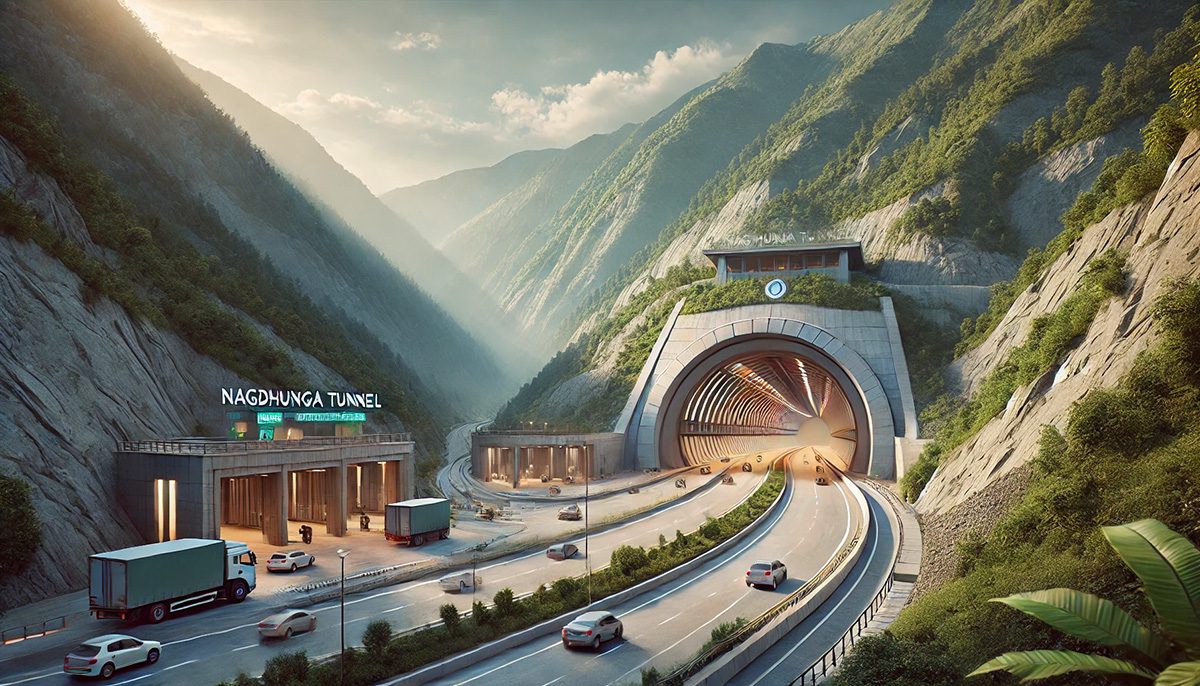
Nagdhunga Tunnel – MMSM contributions
The Nagdhunga Tunnel, Nepal’s first mountainous road tunnel, is a 2.688-kilometer-long project aimed at improving the road connectivity. The project, which started in October 21, 2019 is designed to connect Nagdhunga Pass in Kathmandu to Sisnekhola in Dhading district and is part of the Tribhuvan Highway.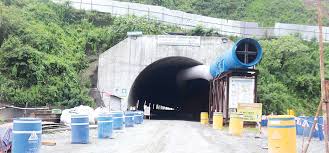 The tunnel has a height of 8.3 meters and a lane width of 9.5 meters. Therefore, the Nagdhunga Tunnel Project is a game-changer for Nepal’s road infrastructure, aiming to reduce travel time, ease traffic congestion, and improve connectivity between Kathmandu and the western regions of Nepal.
Since 1953 Mohanman Shaktiman (MMSM) has played a significant role in supply of raw materials (Cement, Steels, Explosives) for construction of Tribhuvan Highway, till today MMSM sourced for supply of new innovative technologies for construction of Naghdhunga Tunneling Project. Tunneling in mountainous terrain presents unique geological challenges. To ensure smooth progress,MMSM supplied high-quality explosives and explosive materials from Orica, World’s leading manufacturer of explosives and mining solutions and provide training facilities.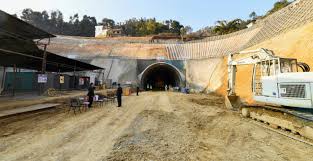 Thus, this led to safe and controlled blasting to break through tough rock formation, timely excavation, and minimized environmental impacts.
Even though the Covid 19 pandemic disrupted the logistics and supply chain worldwide. Despite this hurdles MMSM was committed to delivering materials on time, MMSM team worked relentlessly to ensure that the tunneling project continued without delays, recognizing its significance in enhancing Nepal’s transportation network.
Despite obstacles such as the COVID-19 pandemic, local challenges, geological difficulties, and environmental concerns, the 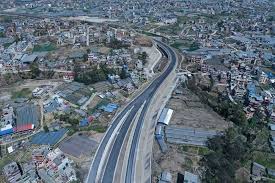 Naghdhunga Tunneling Project is now in its final stage, with approximately 87 percent of the construction work completed. Even with the rapid progress of construction, it will take a year before the tunnel route is ready for vehicle operation. Once the project is completed it will take seven minutes to travel from Sisnekhola to Balambu. Additionally, the flyover towards Balambu is in its final stage, with about 97 percent of the work already completed. Thus, by the end of 2025, the tunnel is expected to be softly opened.