mmsmc
  • Home
  • About Us
    • Vision
    • Organization
    • Management Team
  • Products & Services
    • Drill & Blast
      • Packaged Explosives
      • Detonators & Initiating systems 
    • Mechanized Tunneling 
      • TBM Tunneling  
      • Parts & Services
      • Various Machines
    • Services
      • NOC & Regulatory Permit
      • Escorted Logistics Services
      • Site Army and Blast Management Services 
      • Bunker & Army Camp Construction
      • Geotechnical Consulting 
    • Technical Support 
  • News & Media
    • News
    • Notice & Publications
    • FAQ`s
connect with us
mmsmc
  • Home
  • About Us
    • Vision
    • Organization
    • Management Team
  • Products & Services
    • Drill & Blast
      • Packaged Explosives
      • Detonators & Initiating systems 
    • Mechanized Tunneling 
      • TBM Tunneling  
      • Parts & Services
      • Various Machines
    • Services
      • NOC & Regulatory Permit
      • Escorted Logistics Services
      • Site Army and Blast Management Services 
      • Bunker & Army Camp Construction
      • Geotechnical Consulting 
    • Technical Support 
  • News & Media
    • News
    • Notice & Publications
    • FAQ`s
  • Home
  • About Us
    • Vision
    • Organization
    • Management Team
  • Products & Services
    • Drill & Blast
      • Packaged Explosives
      • Detonators & Initiating systems 
    • Mechanized Tunneling 
      • TBM Tunneling  
      • Parts & Services
      • Various Machines
    • Services
      • NOC & Regulatory Permit
      • Escorted Logistics Services
      • Site Army and Blast Management Services 
      • Bunker & Army Camp Construction
      • Geotechnical Consulting 
    • Technical Support 
  • News & Media
    • News
    • Notice & Publications
    • FAQ`s
mmsmc

Type To Search

mmsmc
  • Home
  • About Us
    • Vision
    • Organization
    • Management Team
  • Products & Services
    • Drill & Blast
      • Packaged Explosives
      • Detonators & Initiating systems 
    • Mechanized Tunneling 
      • TBM Tunneling  
      • Parts & Services
      • Various Machines
    • Services
      • NOC & Regulatory Permit
      • Escorted Logistics Services
      • Site Army and Blast Management Services 
      • Bunker & Army Camp Construction
      • Geotechnical Consulting 
    • Technical Support 
  • News & Media
    • News
    • Notice & Publications
    • FAQ`s
Publications Tag
HomePublicationsPage 3

Tag: Publications

Nagdhunga
PUBLICATIONSNews
March 24, 2025 By mmsmccom

Nagdhunga Tunnel – MMSM contributions

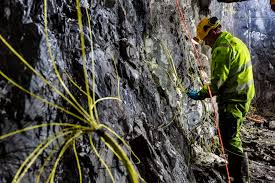
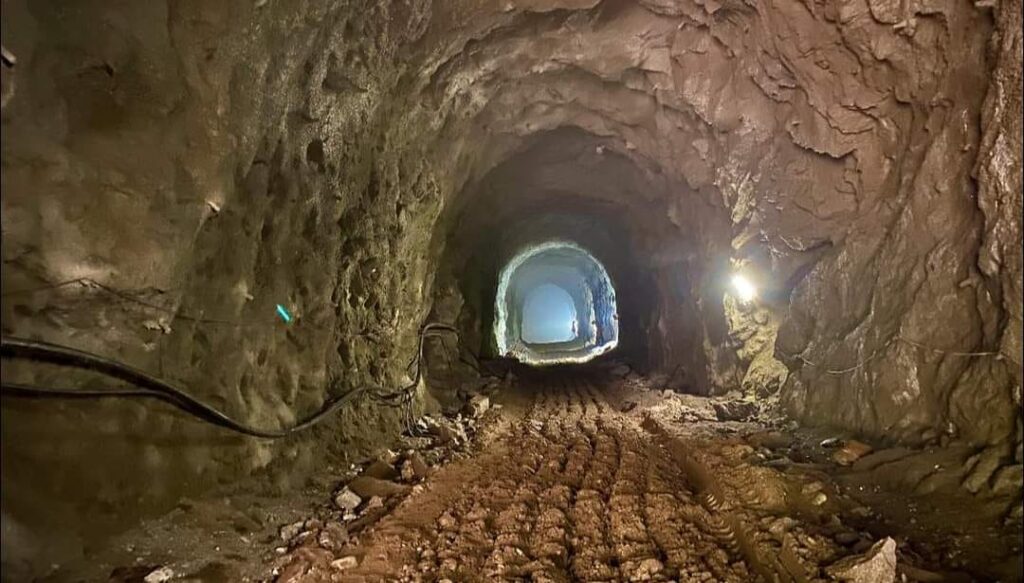
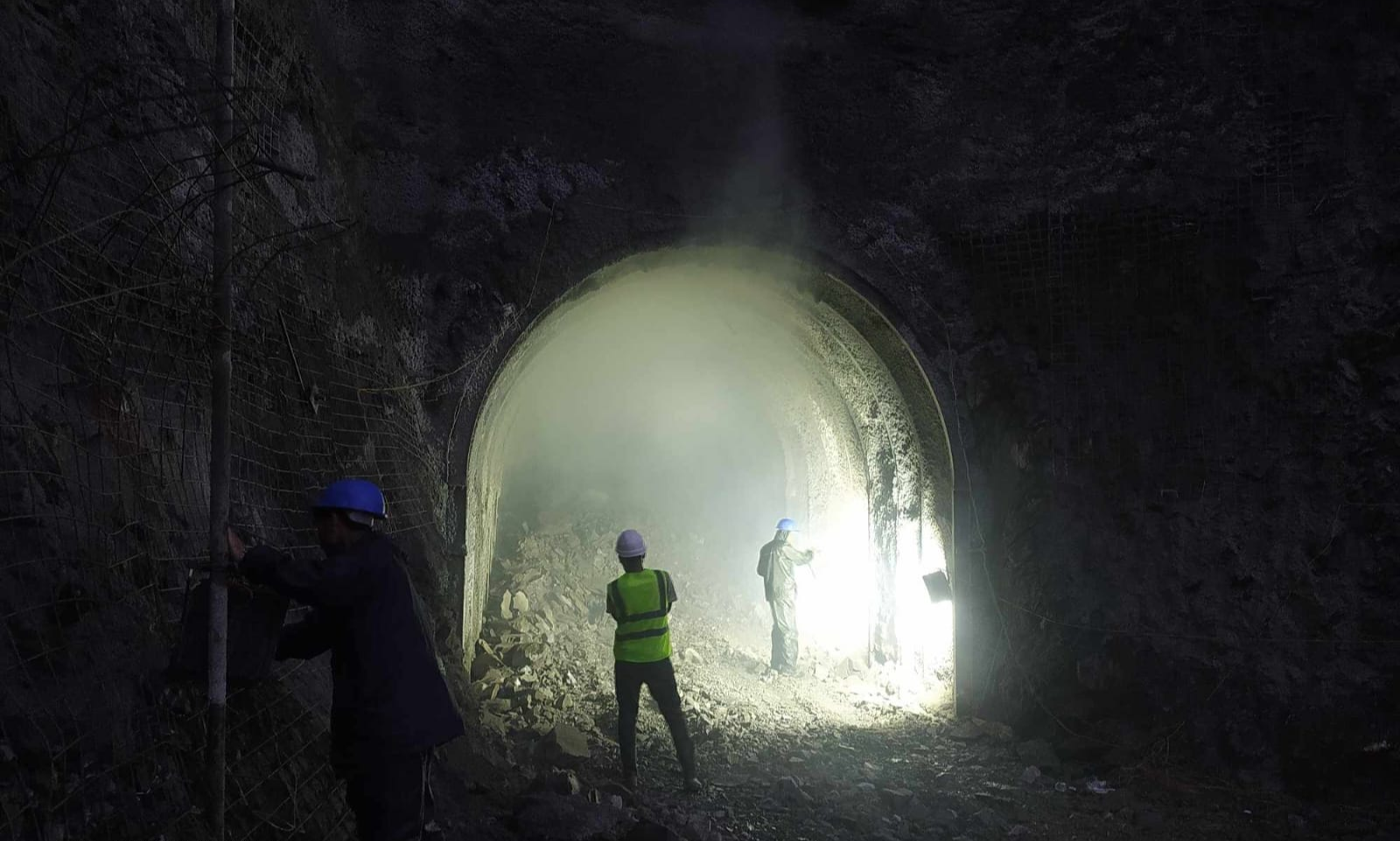
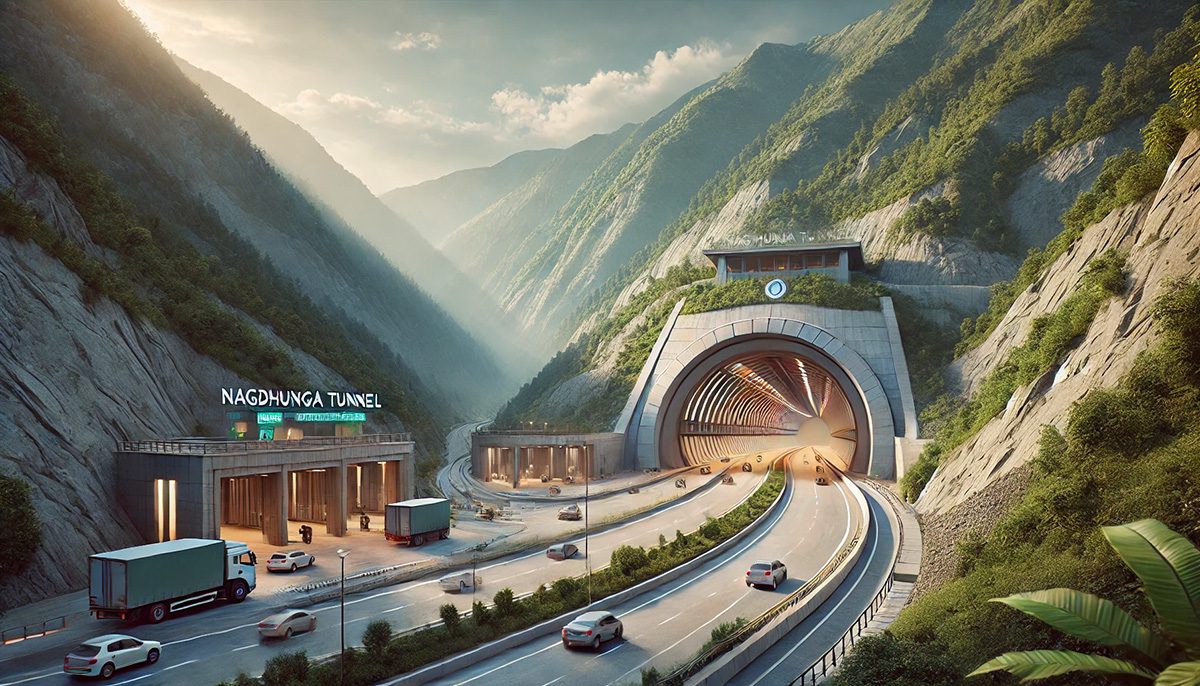
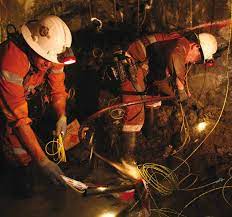
The Nagdhunga Tunnel, Nepal’s first mountainous road tunnel, is a 2.688-kilometer-long project aimed at improving the road connectivity. The project, which started in October 21, 2019  is designed to connect Nagdhunga Pass in Kathmandu to Sisnekhola in Dhading district and is part of the Tribhuvan Highway. The tunnel has a height of 8.3 meters and a lane width of 9.5 meters. Therefore, the Nagdhunga Tunnel Project is a game-changer for Nepal’s road infrastructure, aiming to reduce travel time, ease traffic congestion, and improve connectivity between Kathmandu and the western regions of Nepal.
Since 1953 Mohanman Shaktiman (MMSM) has played a significant role in supply of raw materials (Cement, Steels, Explosives) for construction of Tribhuvan Highway, till today MMSM sourced for supply of new innovative technologies for construction of Naghdhunga Tunneling Project. Tunneling in mountainous terrain presents unique geological challenges. To ensure smooth progress,MMSM supplied high-quality explosives and explosive materials from Orica, World’s leading manufacturer of explosives and mining solutions and provide training facilities. Thus, this led to safe and controlled blasting to break through tough rock formation, timely excavation, and minimized environmental impacts.
Even though the Covid 19 pandemic disrupted the logistics and supply chain worldwide. Despite this hurdles MMSM was committed to delivering materials on time, MMSM team worked relentlessly to ensure that the tunneling project continued without delays, recognizing its significance in enhancing Nepal’s transportation network.

Despite obstacles such as the COVID-19 pandemic, local challenges, geological difficulties, and environmental concerns, the Naghdhunga Tunneling Project is now in its final stage, with approximately 87 percent of the construction work completed. Even with the rapid progress of construction, it will take a year before the tunnel route is ready for vehicle operation. Once the project is completed it will take seven minutes to travel from Sisnekhola to Balambu. Additionally, the flyover towards Balambu is in its final stage, with about 97 percent of the work already completed. Thus, by the end of 2025, the tunnel is expected to be softly opened.

READ MORE
mmsmc.com
PUBLICATIONSNews
March 17, 2025 By mmsmccom

Enhancing Blasting Efficiency with Electronic Detonators

Blasting operations play a crucial role in mining, tunneling, and construction projects, where precision and control are vital for achieving optimal results. One of the most significant advancements in blasting technology is the use of electronic detonators, which offer highly precise delay timings. This precision directly impacts blast performance by reducing overbreaks, minimizing vibrations, and achieving greater pull and advance rates. Compared to traditional electric or non-electric systems, electronic detonators provide superior control over the blast sequence, leading to more efficient fragmentation and reduced material wastage.

One of the key advantages of electronic detonators is their ability to significantly reduce overbreaks. In tunneling and underground mining, excessive breakage beyond the intended blast perimeter can lead to structural instability and additional support costs. By ensuring millisecond-level accuracy in delay sequencing, electronic detonators help control the extent of rock breakage, preserving the integrity of surrounding structures and reducing the need for post-blast scaling and reinforcement. Additionally, the controlled energy release minimizes ground vibrations, which is critical in sensitive areas where excessive vibrations can damage nearby infrastructure or cause safety hazards.

Another major benefit of using electronic detonators is their ability to deliver greater pull and advance rates in blasting cycles. Traditional detonators often suffer from inaccuracies in delay timing, leading to inefficient energy distribution and uneven rock fragmentation. Electronic detonators, on the other hand, allow for optimized timing sequences, ensuring better rock displacement and improved face advance per blast. This leads to higher productivity, reduced downtime, and better overall cost efficiency in large-scale excavation projects.

From a safety perspective, electronic detonators offer substantial advantages over electric detonators. Unlike electric detonators, which are susceptible to stray electrical currents, radio frequency interference, and misfires, electronic systems provide enhanced security through encrypted communication and programmability. Additionally, electronic detonators allow for real-time diagnostics and verification before initiation, reducing the risks of unexpected failures or misfires. The improved precision and control over initiation sequences also minimize fly-rock incidents, making blasting operations safer for workers and surrounding environments. Overall, the shift towards electronic detonators represents a significant leap in both operational efficiency and workplace safety in the blasting industry.


READ MORE
banned
NewsPUBLICATIONS
March 11, 2025 By mmsmccom

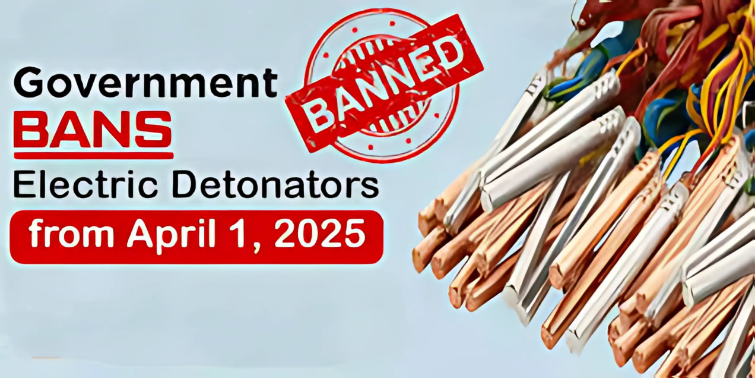
Government of India to Discontinue Electric Detonators from March 30, 2025: A Safer, More Productive Future with Electronic

Detonators

The Government of India has officially announced the discontinuation of electric detonators, effective March 30, 2025. This decisive move is aimed at enhancing safety standards and improving blasting efficiency in mining, construction, and infrastructure projects. As industries transition to electronic detonators, Orica is at the forefront of this change, introducing its cutting-edge TigerDet Electronic Detonators along with an advanced Blaster system.


Why Shift from Electric to Electronic Detonators?

  1. Enhanced Safety

Electric detonators are prone to unintentional initiation due to stray currents, static electricity, and radio frequency interference (RFI). This poses a significant hazard in high-risk environments like tunneling and mining. Electronic detonators offer superior protection by eliminating these risks, ensuring controlled and precise initiation.

  1. Superior Accuracy and Precision

Unlike traditional electric detonators, electronic detonators provide microsecond accuracy in timing. This results in better fragmentation, reduced overbreak, and minimal vibration, which is especially crucial in sensitive projects such as tunnel construction.

  1. Higher Productivity and Cost-Efficiency

  The precision of electronic detonators ensures optimized rock breakage, reducing the need for secondary blasting and minimizing excavation costs. This leads to faster project completion, lower downtime, and improved overall efficiency.

Impact on Tunneling Projects in Nepal

Nepal’s infrastructure landscape is witnessing rapid transformation, with several ambitious tunneling projects underway. The adoption of electronic detonators will bring unmatched safety and efficiency to these projects. With improved blast control, tunneling in challenging terrains will become more predictable and environmentally friendly, reducing the impact on surrounding structures.

Orica’s TigerDet: Leading the Future of Blasting

To support this transition, Orica is set to launch TigerDet Electronic Detonators, a state-of-the-art solution designed to maximize safety and performance. The system will be complemented by a high-tech Blaster, ensuring smooth operation and reliable initiation.

Orica is also committed to training all customers in handling and using electronic detonators effectively. This initiative will equip industry professionals with the knowledge and skills required to ensure a seamless shift from electric to electronic systems.

Preparing for the Transition

With the deadline approaching, companies and contractors must take proactive steps to upgrade their blasting systems. Orica’s customer training programs will be instrumental in ensuring a smooth adoption of electronic detonators in compliance with regulatory changes.

The shift to electronic detonators is not just a regulatory requirement, it is a transformative step towards a safer, more efficient, and technologically advanced future in blasting operations. With Orica leading the way with TigerDet, the industry is poised for a significant leap in safety and productivity.

For more details on TigerDet and Orica’s training programs, stay tuned for upcoming workshops and demonstrations.

Are you ready for the transition? Contact Orica today to learn more about TigerDet and the future of safe and efficient blasting!

READ MORE
Middle-Marsyangdi-Hydropower-Sta
PROJECT WORKPUBLICATIONS
August 20, 2024 By mmsmccom

Starting a Hydropower Company in Nepal: Navigating Legalities and Tunneling Challenges

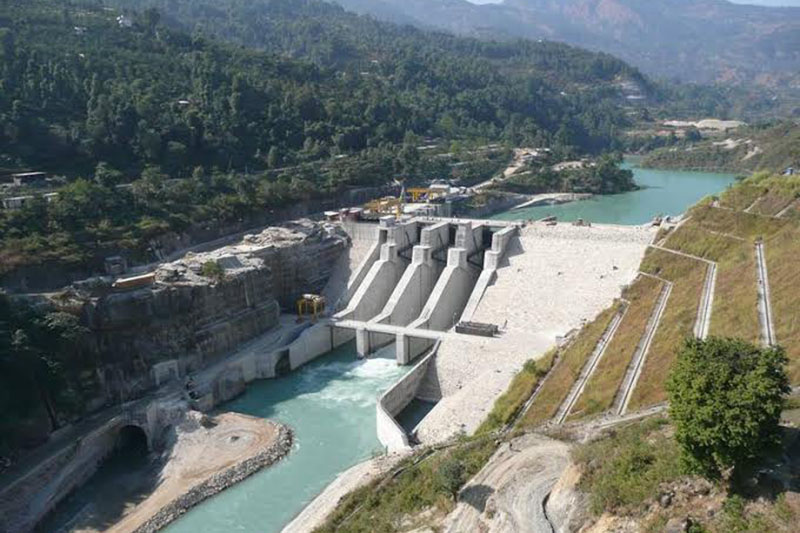
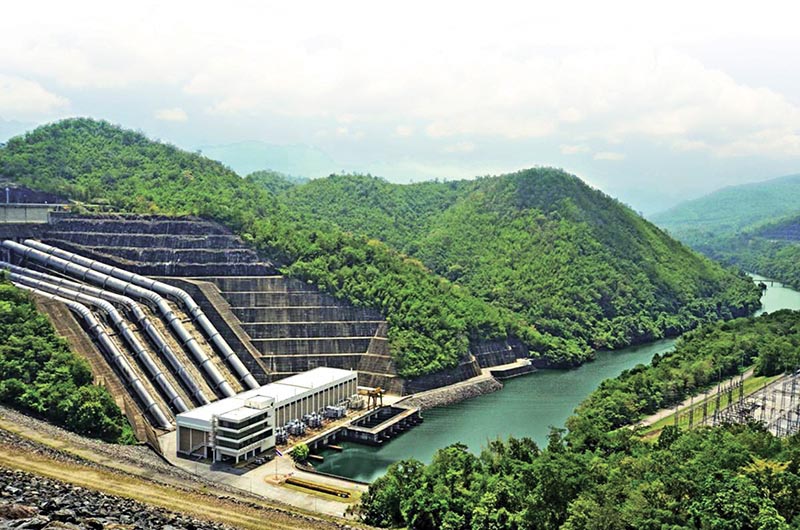
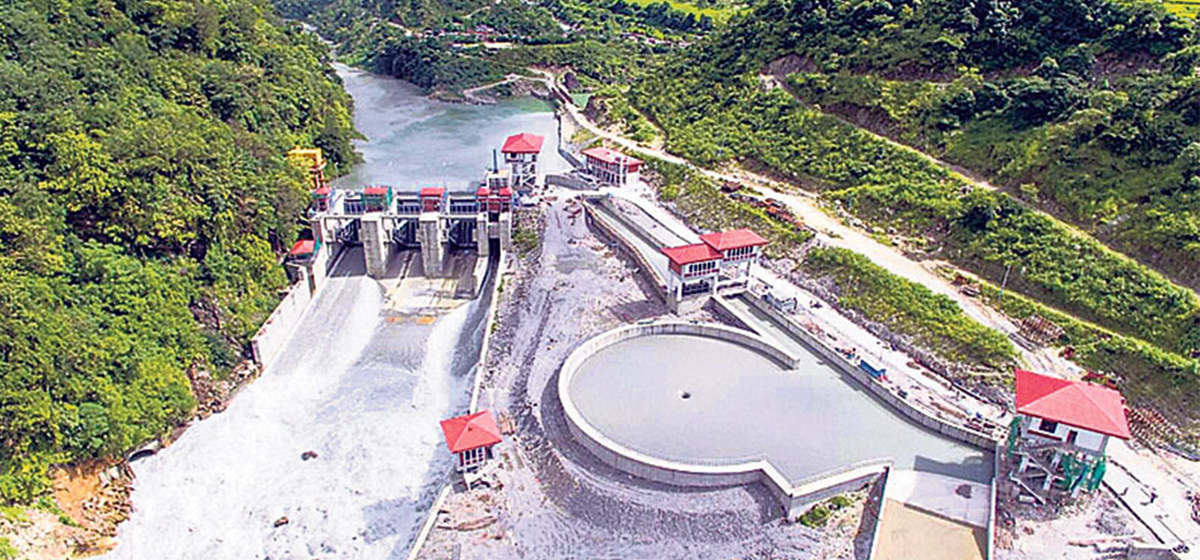
Nepal, blessed with abundant water resources and mountainous terrain, holds immense potential for hydropower development. With an estimated capacity of over 83,000 MW, the hydropower sector is a key driver for the country’s economic growth and energy independence. Starting a hydropower company in Nepal is a promising venture, but it requires a deep understanding of the legal framework and technical challenges, particularly in tunneling, which is a critical aspect of hydropower projects in this region.

Hydropower project in Nepal

Understanding the Legal Framework

Starting a hydropower company in Nepal involves navigating a complex legal landscape, which includes obtaining multiple licenses and adhering to various regulations. Here’s a step-by-step guide to the legalities:

1. Company Registration

The first step is to register your company with the Office of the Company Registrar (OCR). The process involves submitting an application with details of the company’s structure, shareholders, and capital. Once registered, the company can legally operate in Nepal.

2. Obtaining Survey Licenses

Before commencing any hydropower project, you need to obtain a survey license from the Department of Electricity Development (DoED). This license permits you to conduct feasibility studies, environmental impact assessments (EIA), and social impact assessments (SIA). The survey license is typically granted for a period of 18 months, with the possibility of extension.

3. Environmental and Social Impact Assessments

Conducting an EIA and SIA is mandatory. These assessments evaluate the potential environmental and social impacts of the project and propose mitigation measures. Approval from the Ministry of Forests and Environment is required before moving forward.

4. Power Purchase Agreement (PPA)

A Power Purchase Agreement (PPA) with the Nepal Electricity Authority (NEA) is essential. The PPA outlines the terms and conditions for the sale of electricity generated by your hydropower project to the national grid. Negotiating favorable terms in the PPA is crucial for the financial viability of your project.

5. Construction License

Once the survey is complete and the EIA and SIA are approved, you can apply for a construction license from the DoED. This license allows you to begin the construction of your hydropower project. The application process involves submitting detailed project plans, financial models, and technical designs.

6. Compliance with Local Laws

In addition to national laws, you must comply with local regulations, including land acquisition, labor laws, and community engagement. Establishing good relations with local communities is vital for the smooth execution of your project.

The Tunneling Aspect: Challenges and Considerations

Tunneling is a critical and challenging aspect of hydropower projects, particularly in Nepal’s mountainous terrain. Proper tunneling techniques are essential for ensuring the stability and safety of your project. Here are key considerations:

1. Geological Surveys

Before tunneling, comprehensive geological surveys are necessary to understand the rock formations, soil conditions, and potential seismic activity. These surveys help in selecting the most suitable tunneling method and in designing the tunnel to withstand geological challenges.

2. Tunneling Methods

There are several tunneling methods to consider, depending on the geological conditions:

  • Drill and Blast: Commonly used in hard rock conditions, this method involves drilling holes in the rock, filling them with explosives, and blasting to create the tunnel.
  • Tunnel Boring Machines (TBM): TBMs are used for soft rock or soil conditions. They are more expensive but provide a faster and safer tunneling option.
  • New Austrian Tunneling Method (NATM): This method involves continuous monitoring and adjusting of support systems based on real-time geological conditions.

3. Water Ingress Management

Managing water ingress is a significant challenge in tunneling. Proper drainage systems, grouting, and waterproofing are essential to prevent flooding and ensure the structural integrity of the tunnel.

4. Safety Measures

Safety is paramount in tunneling operations. Implementing robust safety protocols, regular inspections, and emergency response plans is critical to protect workers and minimize risks.

5. Tunnel Ventilation

Adequate ventilation is required to remove dust, gases, and heat generated during tunneling operations. Designing an efficient ventilation system is essential for maintaining a safe working environment.

Conclusion

Starting a hydropower company in Nepal is a venture filled with both opportunities and challenges. Understanding the legal requirements and the complexities of tunneling in mountainous terrain is crucial for success. By navigating the legal framework diligently and addressing the technical challenges with expertise, you can contribute to Nepal’s energy independence while building a profitable and sustainable business.

Whether you are a seasoned entrepreneur or a newcomer to the hydropower sector, careful planning, strong legal compliance, and technical proficiency will be your keys to success in this dynamic industry.

READ MORE
Arun-III Hydroelectric Project SJVN Completes 11.8 KM Head Race Tunnel in Nepal
News
June 4, 2024 By mmsmccom

Arun-III Hydroelectric Project: SJVN Completes 11.8 KM Head Race Tunnel in Nepal

June 4, 2024 – Sankhuwasabha, Nepal

Sutlej Jal Vidyut Nigam (SJVN), a prominent Indian public sector undertaking, has successfully achieved a significant milestone in the construction of the Arun-III Hydroelectric Project. The company has completed the excavation of an 11.837 kilometer main head race tunnel for the project, which is expected to generate 900 megawatts (MW) of power. This landmark achievement marks a crucial step towards realizing Nepal’s renewable energy potential.

The Arun-III project, situated in the Sankhuwasabha district of Nepal, is poised to play a vital role in the region’s energy landscape. The project not only aims to enhance Nepal’s energy security but also seeks to facilitate cross-border electricity trade between India and Nepal, further strengthening bilateral ties.

The successful excavation of the head race tunnel was accomplished using ORICA explosives and accessories, which were the preferred choice of the contractors for this phase of construction. The advanced technology and efficient blasting techniques employed have minimized environmental impact while ensuring the structural integrity of the tunnel.

In addition to its energy generation capabilities, the Arun-III project is expected to create numerous job opportunities in the region, contributing to local economic development. The project will also focus on sustainable practices, including the implementation of environmental management plans to mitigate any potential ecological impacts.

The Arun-III Hydroelectric Project is part of a broader strategy to tap into Nepal’s abundant hydropower resources, which are estimated to exceed 80,000 MW. With the completion of the head race tunnel, SJVN is on track to meet its project timelines, with further phases of construction expected to progress smoothly.

As Nepal continues to develop its hydropower infrastructure, projects like Arun-III are crucial in addressing energy demands, promoting sustainability, and enhancing regional cooperation in the energy sector. The successful collaboration between Indian and Nepali stakeholders in this project serves as a model for future initiatives aimed at harnessing the region’s renewable energy potential.

With the groundwork laid, SJVN remains committed to completing the Arun-III Hydroelectric Project on schedule, contributing to a greener, more sustainable future for Nepal and the surrounding region.

READ MORE
Robbins TBM Achieves Major Milestone 13.2 KM Tunnel for Sunkoshi Marin Diversion Project Completed 7 Months Early
NewsPUBLICATIONS
May 8, 2024 By mmsmccom

Robbins TBM Achieves Major Milestone: 13.2 KM Tunnel for Sunkoshi Marin Diversion Project Completed 7 Months Early

T
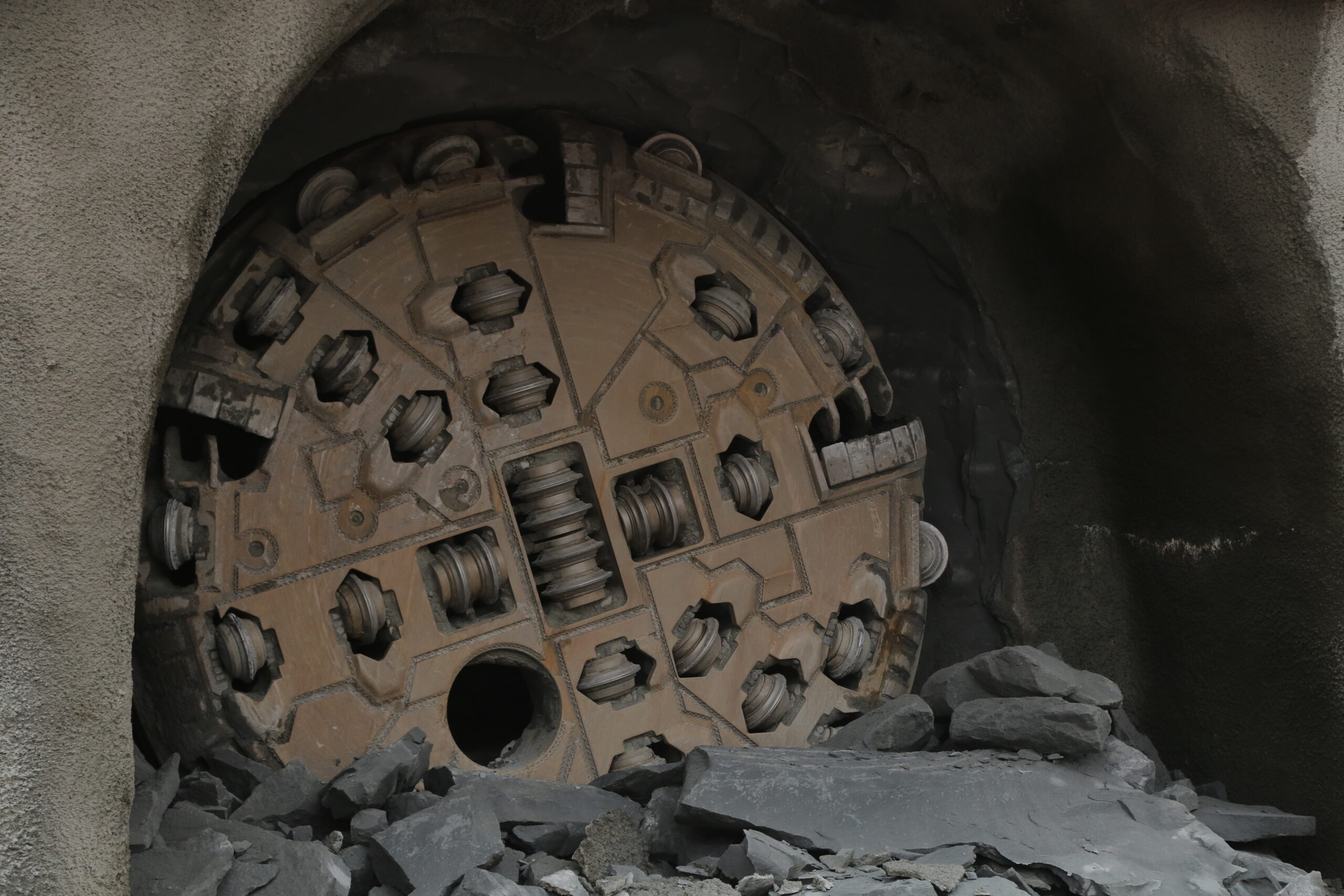
he Sunkoshi Marin Diversion Multipurpose Project (SMDMP) has celebrated a significant achievement with the early breakthrough of its 13.2 kilometer tunnel, completed in just 20 months—almost 7 months ahead of the planned schedule. This remarkable success highlights the effective partnership between Robbins, renowned for its tunnel boring machines (TBM), and the prime contractor, China Overseas Engineering Group (COVEC). The expedited completion of the tunnel is crucial for the SMDMP, which aims to optimize water resource management for irrigation and hydropower generation in the region. The efficient excavation process not only showcases advanced mechanized tunneling techniques but also reflects the collaboration’s ability to navigate complex geological conditions. Experts in the field have commended the project for its innovative approach to tunnel excavation, marking it as a benchmark for future infrastructure endeavors in Nepal. As the project moves forward, stakeholders are optimistic about the positive impact it will have on local agriculture and energy supply, ultimately enhancing the quality of life for communities in the area.
READ MORE
Kabeli III Hydropower Project 1.87 KM Tunnel Breakthrough Achieved in Just 12 Months
NewsPUBLICATIONS
April 4, 2024 By mmsmccom

Kabeli III Hydropower Project: 1.87 KM Tunnel Breakthrough Achieved in Just 12 Months

 
Ka

beli Hydropower Company Limited has marked a significant milestone with the successful breakthrough of its 1.87 kilometer-long headrace tunnel for the Kabeli III Hydropower Project. Remarkably completed in just 12 months, this achievement underscores the efficiency and effectiveness of the project team and the advanced techniques employed.

The Kabeli III project, which has a capacity of 21.93 megawatts (MW), is set to play a pivotal role in enhancing Nepal’s renewable energy generation and meeting the growing electricity demands of the region. The completion of the headrace tunnel is crucial for the project, facilitating the diversion of water from the Kabeli River to the hydropower station.

The success of this phase was significantly supported by ORICA, a global leader in blasting technology. ORICA provided a range of blasting materials along with regular training and optimization services, ensuring that the project team utilized the latest techniques for safe and efficient excavation. This collaboration not only enhanced productivity but also prioritized safety and environmental considerations throughout the tunneling process.

Local officials and stakeholders have expressed optimism about the project’s completion, highlighting its potential to contribute to energy security and economic development in the region. The Kabeli III Hydropower Project is expected to create job opportunities and promote local infrastructure development, thereby benefiting the community.

As the project progresses, Kabeli Hydropower Company Limited remains committed to maintaining high standards of quality and efficiency, aiming to deliver the completed hydropower plant on schedule. The successful breakthrough of the tunnel is a promising sign of the project’s potential to significantly contribute to Nepal’s renewable energy landscape.

READ MORE
  • 1
  • 2
  • 3

Ready To Start Work With Us?

We work with a passion of taking challenges and creating new ones in advertising sector.

+977-01-5427223

Sunday – Friday
10:00 AM – 5:30 PM
Saturday: CLOSED
G e t   a   Q u o t e
Quick Links
  • Company
  • How it’s Work
  • Service
  • Case Studies
  • Pricing
  • Privacy Policy
  • Support
  • Press media
  • Careers
  • Contact
  • Best Accounting Software in Nepla
Search
Newsletter

Subscribe to our newsletter and never miss an update! Be the first to know about the latest trends, insights, and exclusive offers. Whether it’s expert tips, industry news, or special promotions, our newsletter delivers valuable content right to your inbox.

Copyright © 2024 Mohanman Shaktiman (MMSM). All Rights Reserved