NewsNewsPUBLICATIONS
Abstract:
Blasting operations in Nepal’s hydropower, road, and mining sectors are essential yet costly. A significant portion of explosive-related expenditure can be minimized through the application of smart blasting principles involving rock mass characterization, precision design, proper explosive selection, and post-blast analysis.
Introduction
The rapid development of Nepal’s infrastructure has led to increased use of explosives in civil engineering and mining. Traditional blasting methods often result in high costs, poor fragmentation, excessive overbreak, and safety risks. This article outlines how smart blasting practices can reduce explosive costs while maintaining or improving blast performance.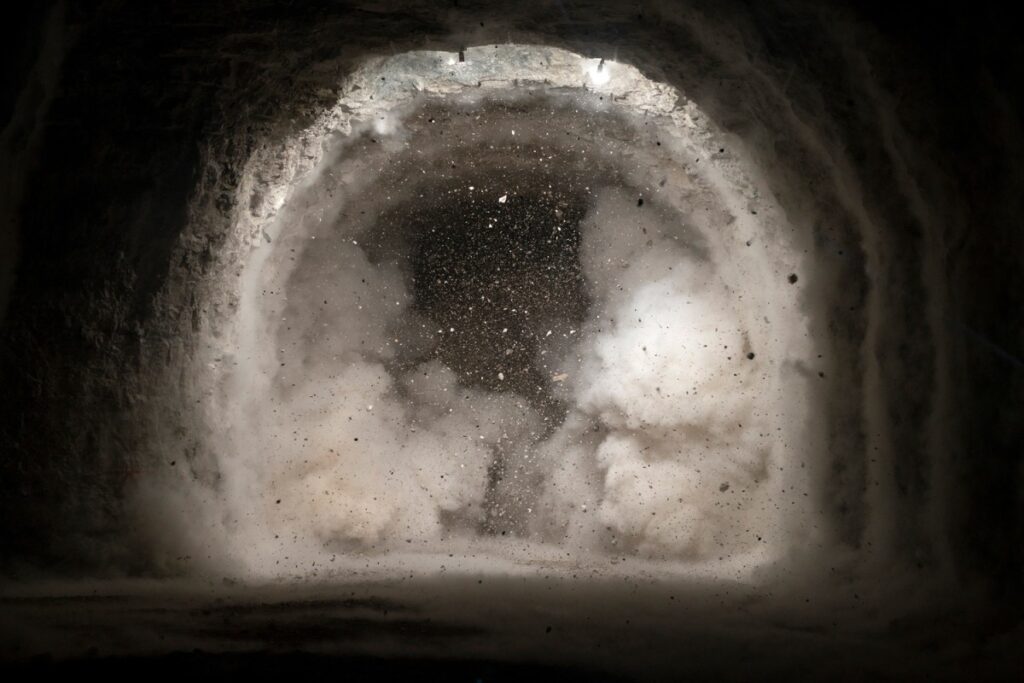
- Rock Mass Characterization
The selection and quantity of explosives must align with rock type and condition. Nepal features a diverse geological profile from hard rock formations to fractured weak rock layers.
- Hard, massive rock requires less energy for clean fragmentation.
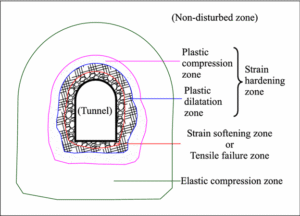
- Highly fractured or weak rock is susceptible to overbreak with conventional blasting.
Recommendation: Implement pre-blast rock classification using RMR or Q-system to optimize powder factor accordingly.
- Blast Design Optimization
Modern blast design involves accurate planning of burden, spacing, hole depth, and initiation timing.
- Use tools like SHOTPlus, AUTOCAD, or OTHERS software for simulation.
- Adjust burden and spacing based on bench height and rock type.
- Use decking in weak or mixed geological zones.
- Use of Delay and Electronic Detonators
Precision in initiation timing improves energy distribution, reduces overbreak, and enhances muck pile shape.
- Nonel (non-electric) or electronic detonators are recommended over conventional systems.
- Delay intervals that is milliseconds delay can significantly reduce vibrations and improve fragmentation for Surface
- Explosive Selection
The type of explosive should match site conditions:
Note: Always match explosive type with moisture conditions and desired energy output.
Explosive Type | Use Case | Cost Level |
ANFO | Dry and accessible sites | Low |
Emulsion | Water-bearing tunnels, shafts | Moderate |
Cartridge | Precise or restricted space | High |
- Blast Monitoring and Feedback
Post-blast evaluation should include: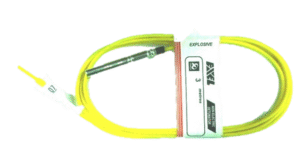
- Pull efficiency
- Fragmentation analysis
- Vibration monitoring
- Overbreak volume
These metrics inform future adjustments, improving consistency and reducing cost per cubic meter.
- Logistical Considerations
Remote tunneling and hydropower project sites in Nepal face high transportation costs and logistical challenges in the supply of explosives. To address these issues while maintaining safety and efficiency, the following measures can be adopted:
Efficient and safe handling of explosives in remote tunneling projects requires careful planning of logistics. The main considerations include:
- Transportation Routes
- Mountainous terrain, narrow roads, and seasonal blockages (landslides, snow, floods) increase risks and costs.
- Vehicles should comply with explosive transport regulations and be equipped with fire extinguishers, warning signs, and safety gear.
- Security & Regulations
- Explosives transport requires coordination with local administration, police, and the Department of Explosives.
- Proper documentation, permits, and escorts are often mandatory.
- Storage Facilities
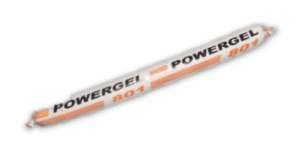
- Regional magazines & Bunkers should be located at safe distances from settlements, water bodies, and project offices.
- Facilities must meet licensing requirements, with fencing, guards, and blast-proof structures.
- Supply Chain Coordination
- Establish agreements with suppliers to ensure timely delivery.
- Minimize overstocking at site (safety hazard) and understocking (work delays).
- Synchronize blasting schedules with delivery timelines.
- Cost Management
- Transport to remote sites significantly adds to project cost.
- Bulk procurement and shared magazines across multiple projects can reduce expenses.
- Emergency Preparedness
- Contingency plans for accidents during transport or storage.
- Training of drivers, blasting crew, and security staff in emergency response.
Conclusion
Smart blasting is a multidisciplinary approach that blends field geology, engineering design, and modern technology. It is particularly suitable for Nepal’s variable terrain and infrastructure challenges.
Implementing smart blasting not only reduces direct explosive costs but also improves overall project efficiency, safety, and environmental impact.