

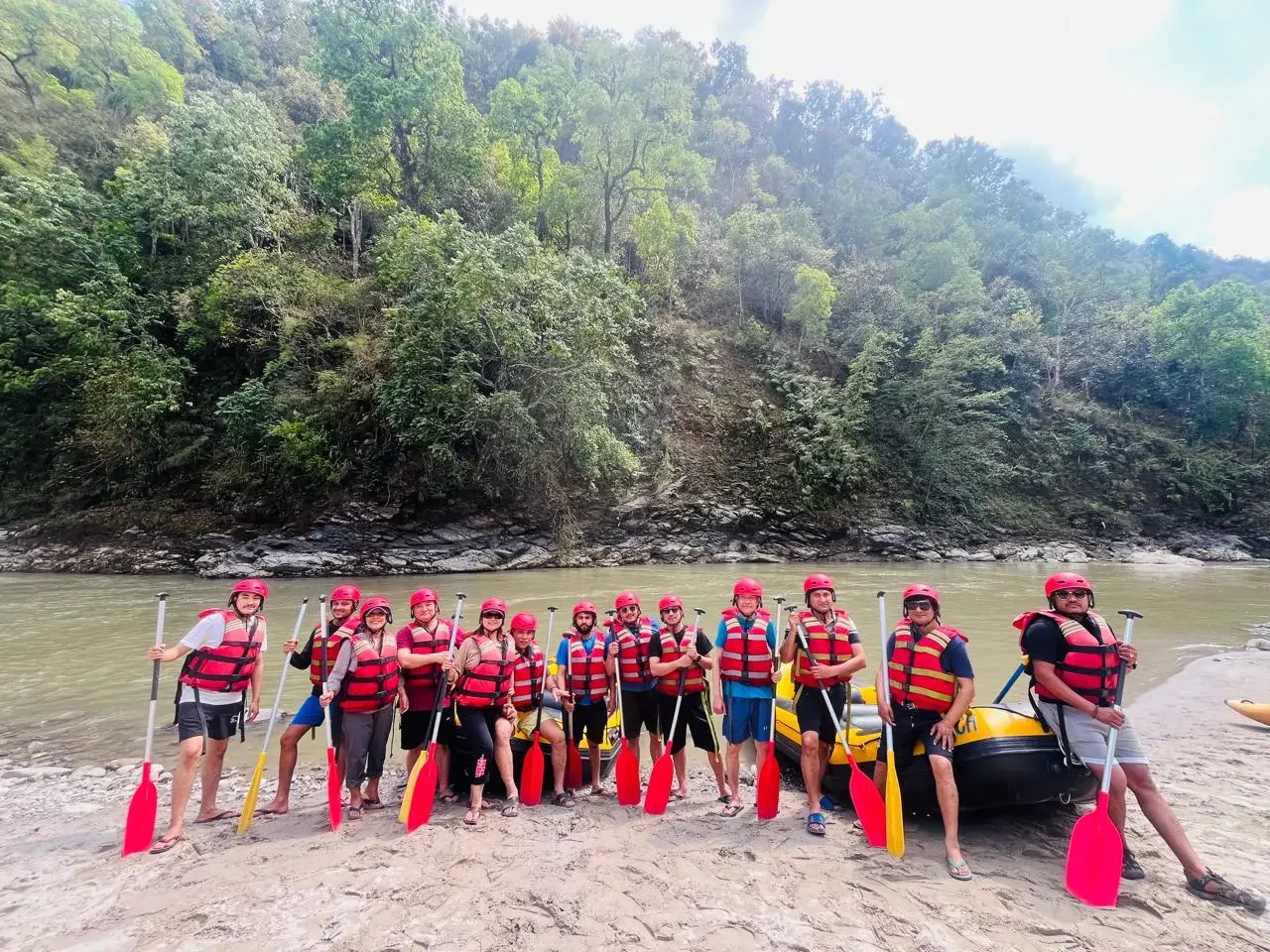
MMSM Operations Team Site Orientation Ends in a Thrilling Rafting Experience
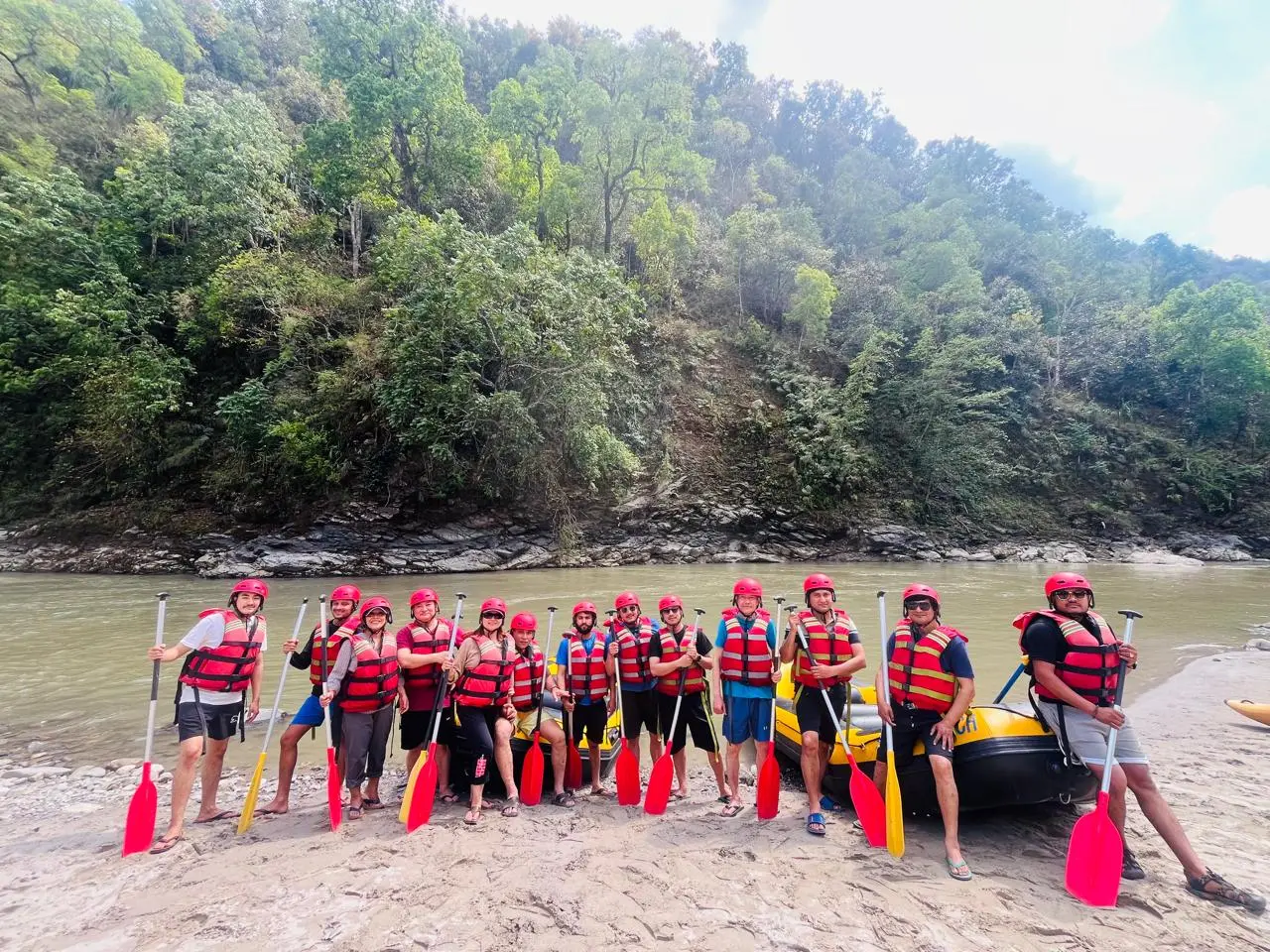
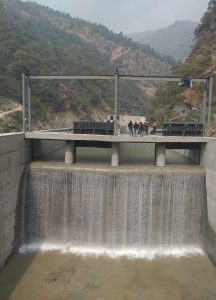
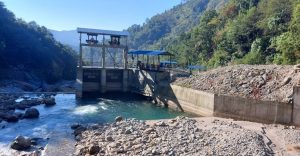
The Operations Team of Mohanman Shaktiman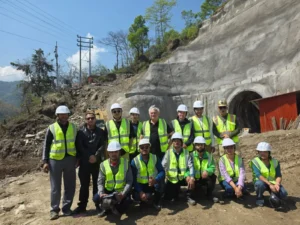 recently embarked on an enriching site orientation visit to a hydropower project in the scenic Bhotekoshi region—an experience that seamlessly blended technical learning with the raw thrill of nature.
Set against the dramatic landscape of steep valleys and roaring river currents, the visit provided the team with a valuable opportunity to closely observe project operations, understand on-ground challenges, and align their technical perspectives with real-world execution. The orientation focused on strengthening operational awareness, safety practices, and coordination across project functions—an essential step as the company continues to expand its footprint in infrastructure and energy development.
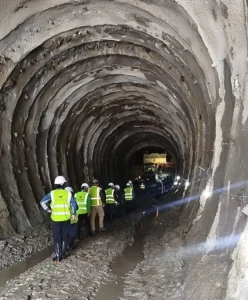 We extend our sincere gratitude to the Bhotekoshi IV Hydropower Project team and the members of Nepal Army Indradhoj Gan for their warm hospitality and for granting us the opportunity to conduct this insightful site visit. Their cooperation and openness in sharing knowledge made the experience highly meaningful for our team.
What began as a day of technical exploration concluded on a high note—quite literally—with an exhilarating rafting adventure on the Bhotekoshi River. Battling the powerful rapids, navigating sharp turns, and embracing the untamed energy of the river, the team experienced firsthand the sheer force and beauty of natural water systems. It was a moment of camaraderie, adrenaline, and reflection—reminding us why we do what we do.
This experience also reinforced a critical principle that lies at the heart of responsible hydropower development: the need to preserve the natural flow and character of our rivers. While hydropower remains a cornerstone of sustainable energy, it is equally important to ensure that project designs respect ecological balance and maintain adequate environmental flows. Rivers like Bhotekoshi are not just sources of energy—they are lifelines of biodiversity, culture, and adventure.
By thoughtfully integrating environmental considerations into hydropower planning, we can ensure that future generations continue to experience the raw, unfiltered power of rivers—whether through adventure, livelihood, or simple appreciation of nature.
At Mohanman Shaktiman, we remain committed to building infrastructure that not only powers progress, but also preserves the natural heritage that defines our landscapes. This visit was more than just an orientation—it was a powerful reminder that development and nature must move forward together.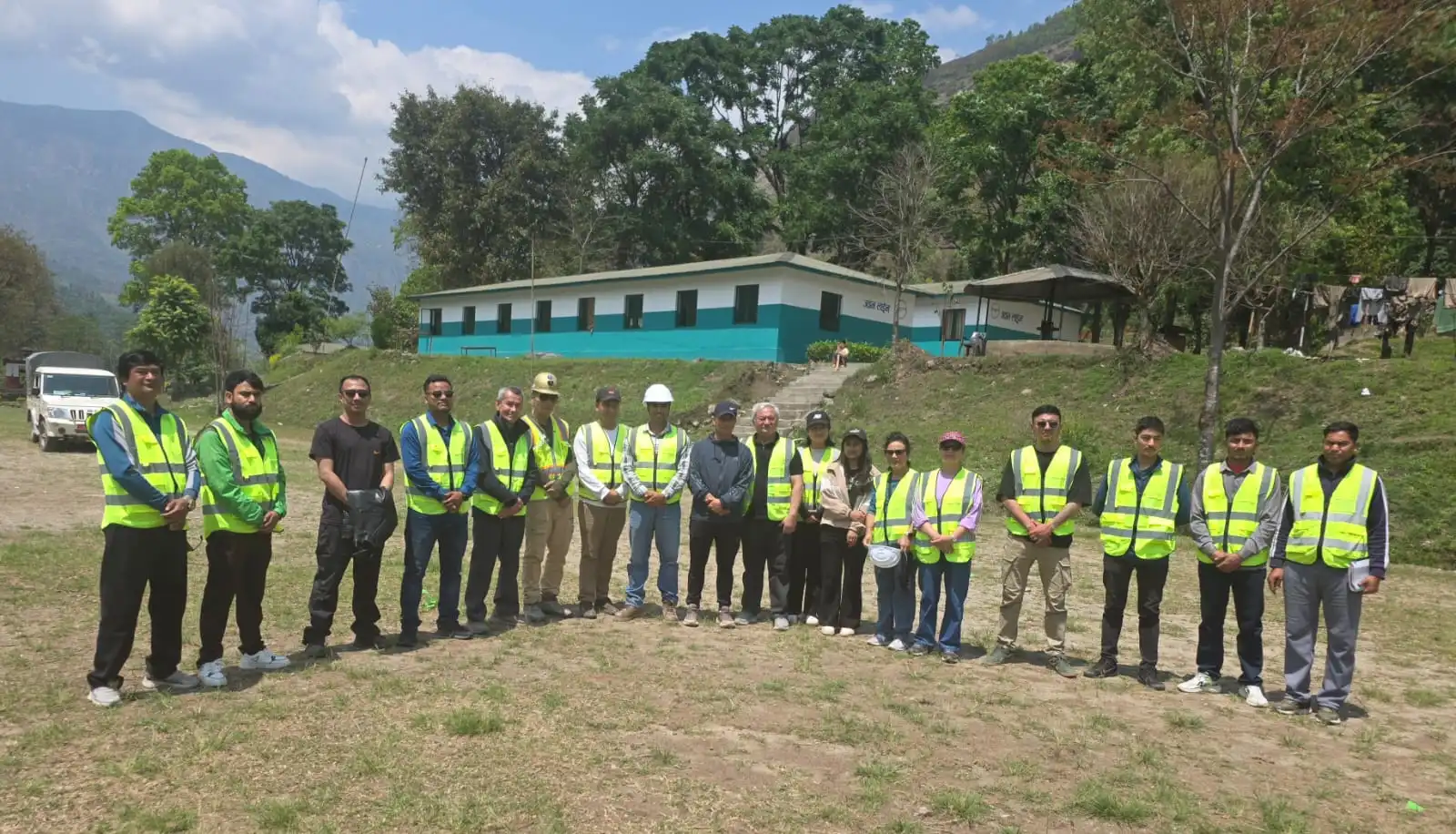
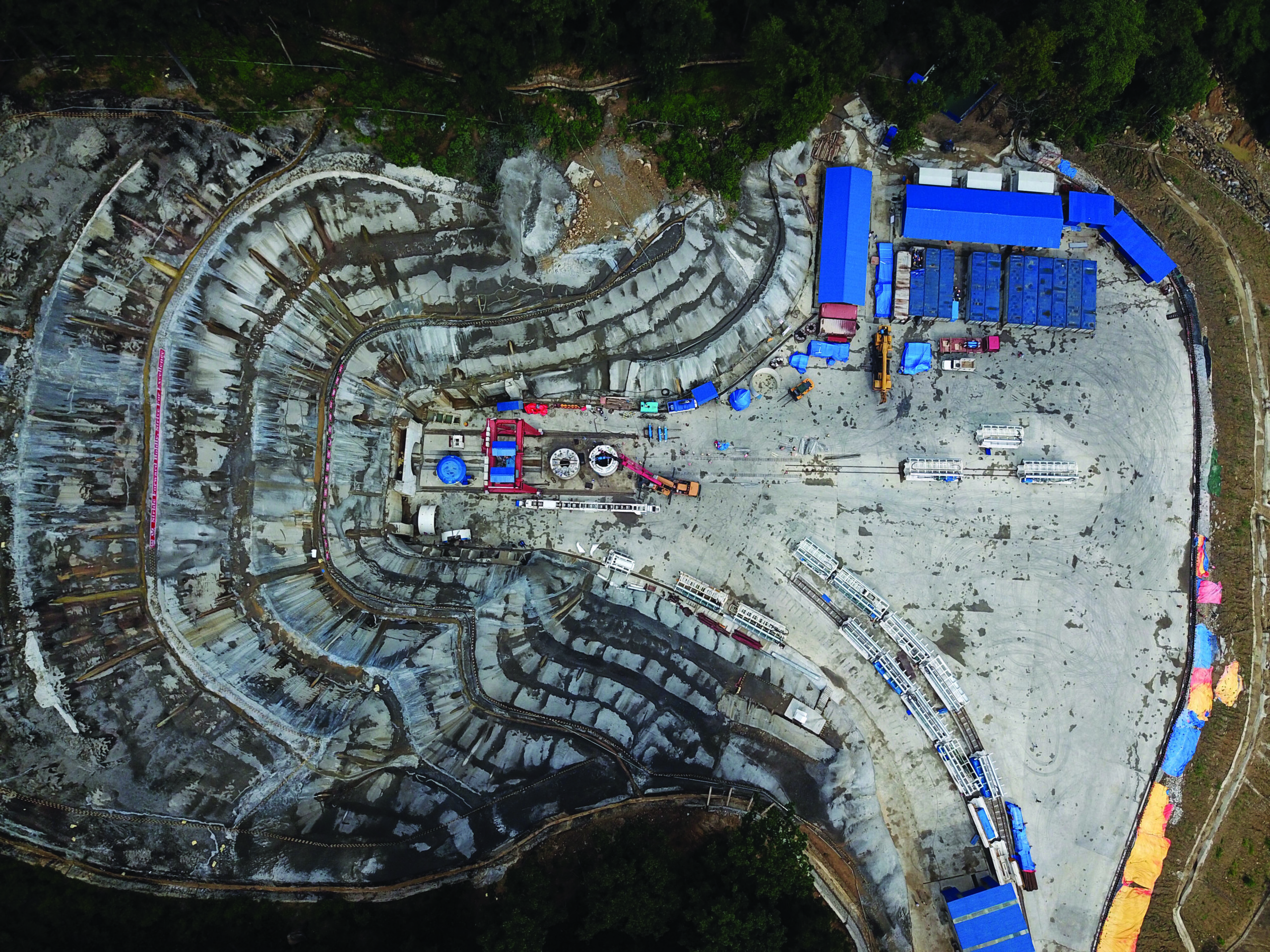
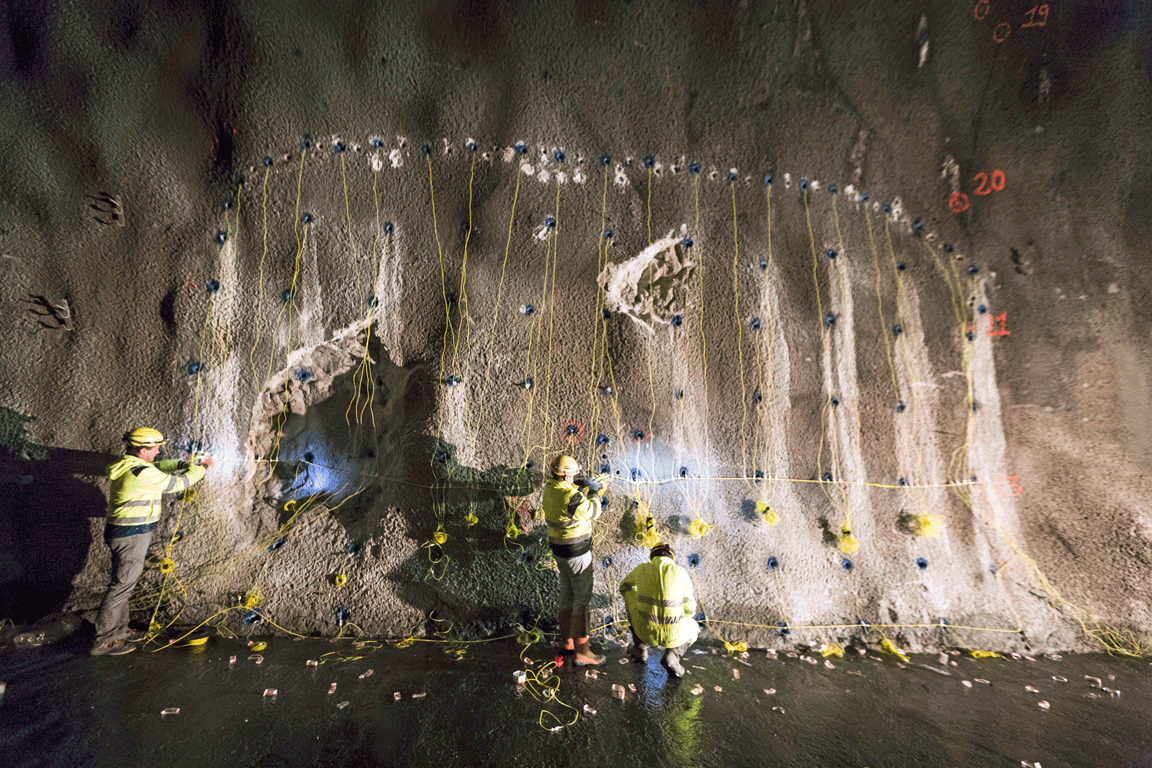
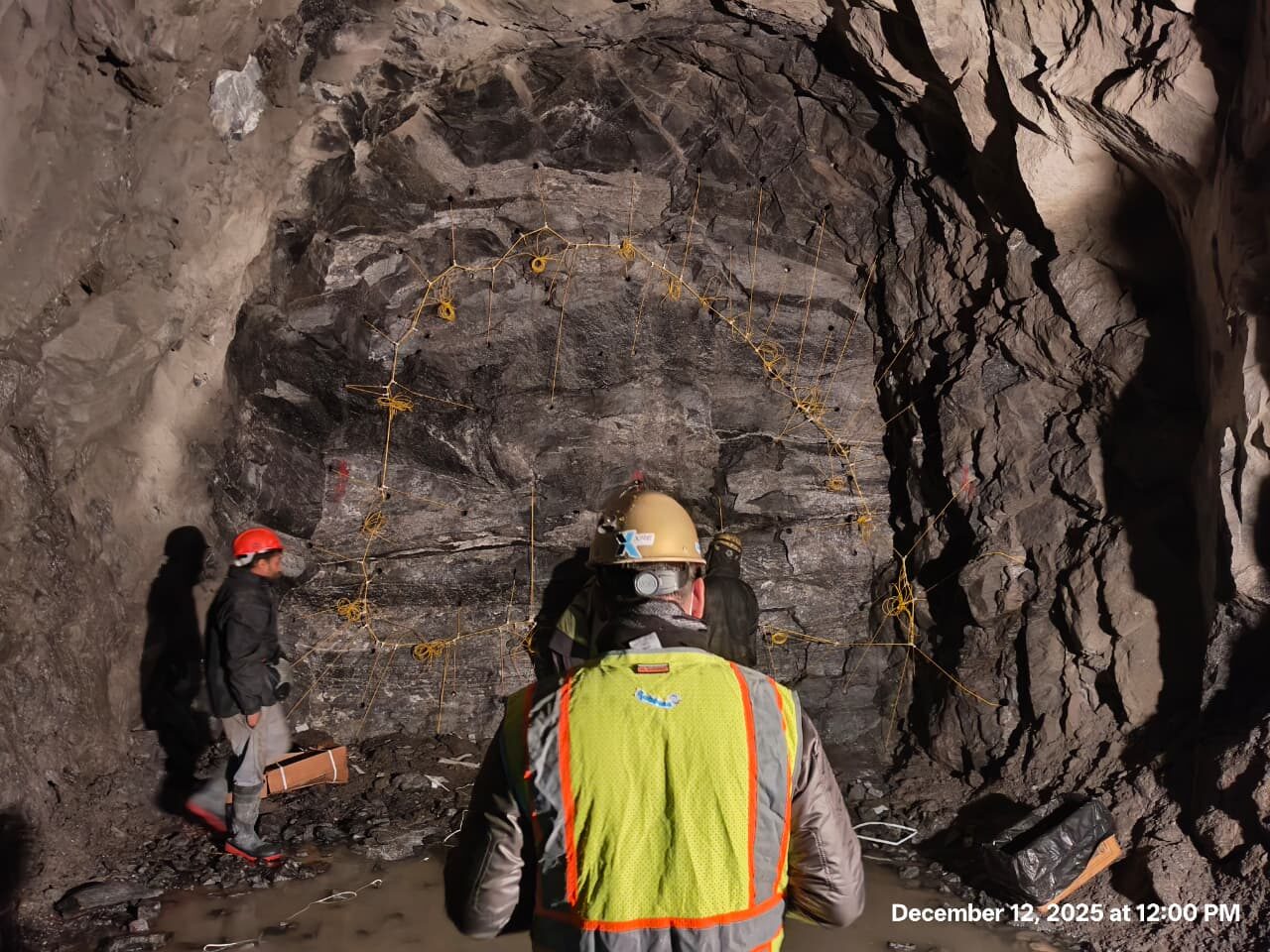
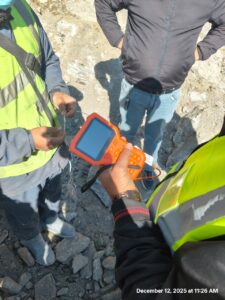 The application of advanced blasting technologies is essential for improving safety, precision, and excavation efficiency in large hydropower projects. On 12th December 2025, Electronic Blasting System (EBS) – TigerDet was successfully introduced at the Upper Seti Hydropower Project through a controlled blast conducted by Mohanman Shaktiman, authorized Channel Partner of Orica in collaboration with blasters and geologists of Upper Seti Hydropower Project. The blast employed Orica’s TigerDet electronic detonators with Orica – Blaster marking a significant advancement in blasting practices at the project site.
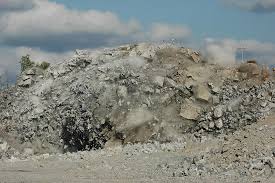
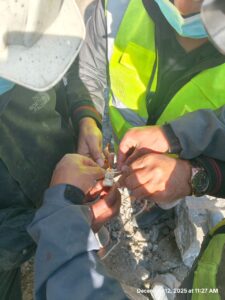 The training was conducted both on open and inside the tunnel. The site blasters and geologists are now fully capable of handling TigerDet and Blaster by themselves to conduct future blasts. Nepal Army personal in-charge of security at site have also been briefed about this new technology in blasting and were also present during the training. The blast resulted in uniform fragmentation, reduced overbreak, and improved excavation profile control.
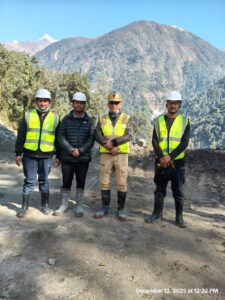 The successful implementation of electronic blasting represents a significant step toward modernizing blasting practices in Nepal’s hydropower sector.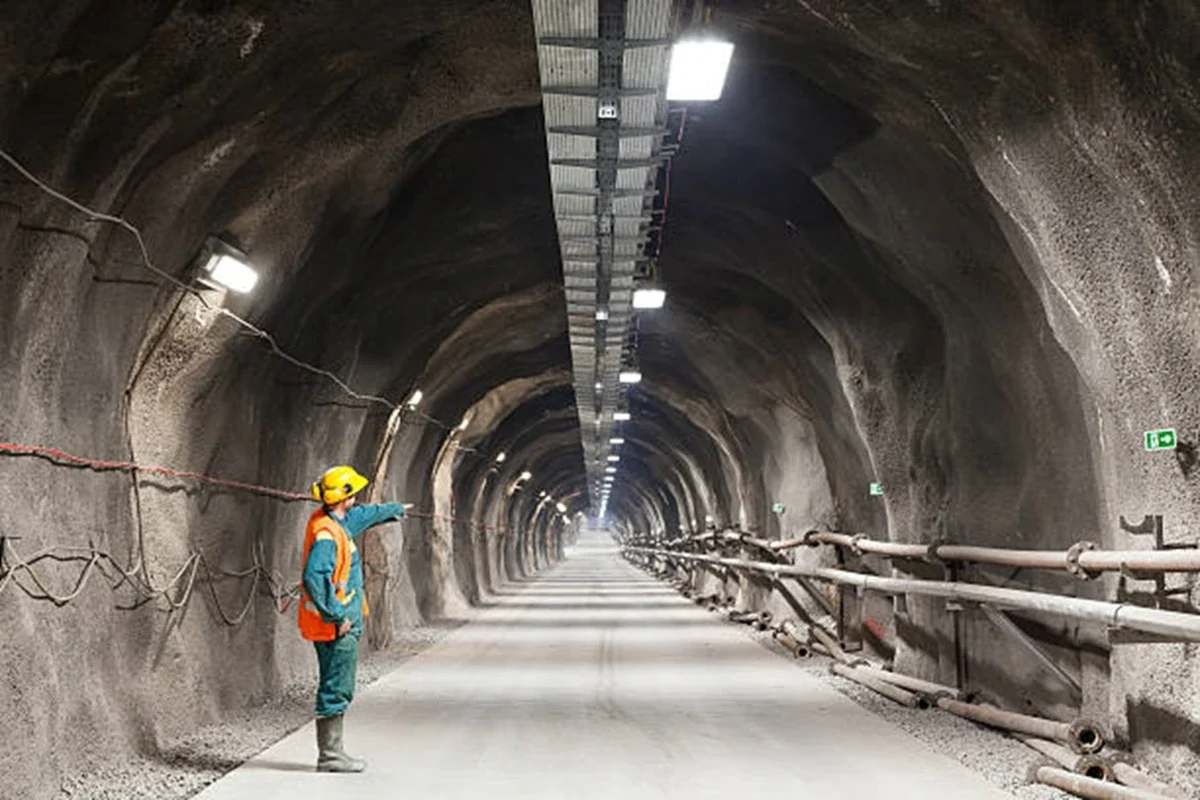
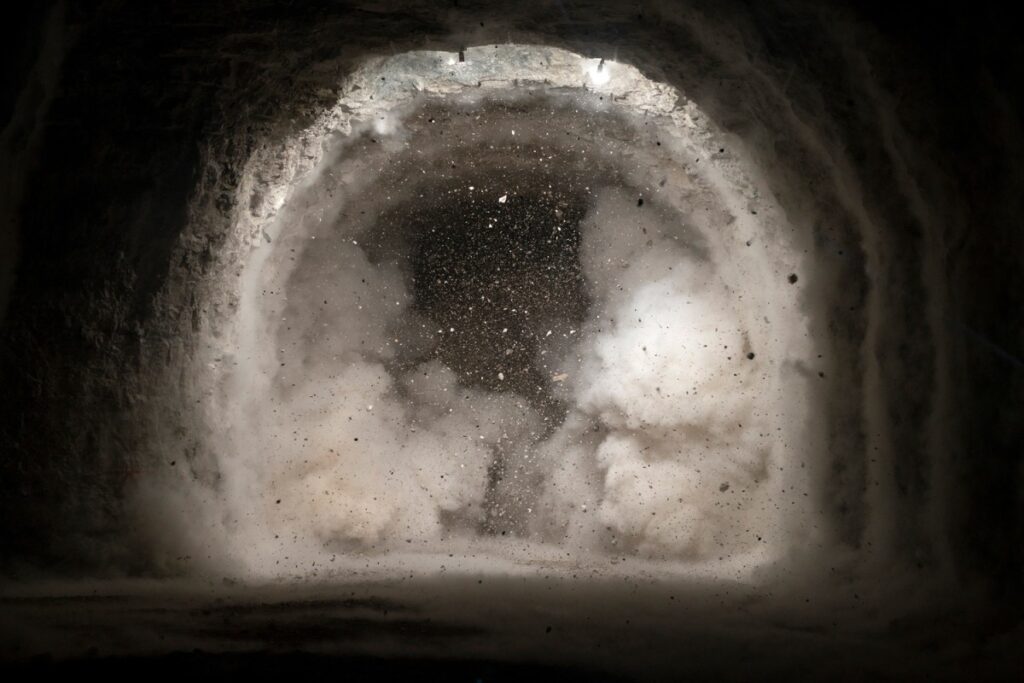
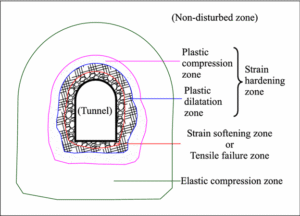

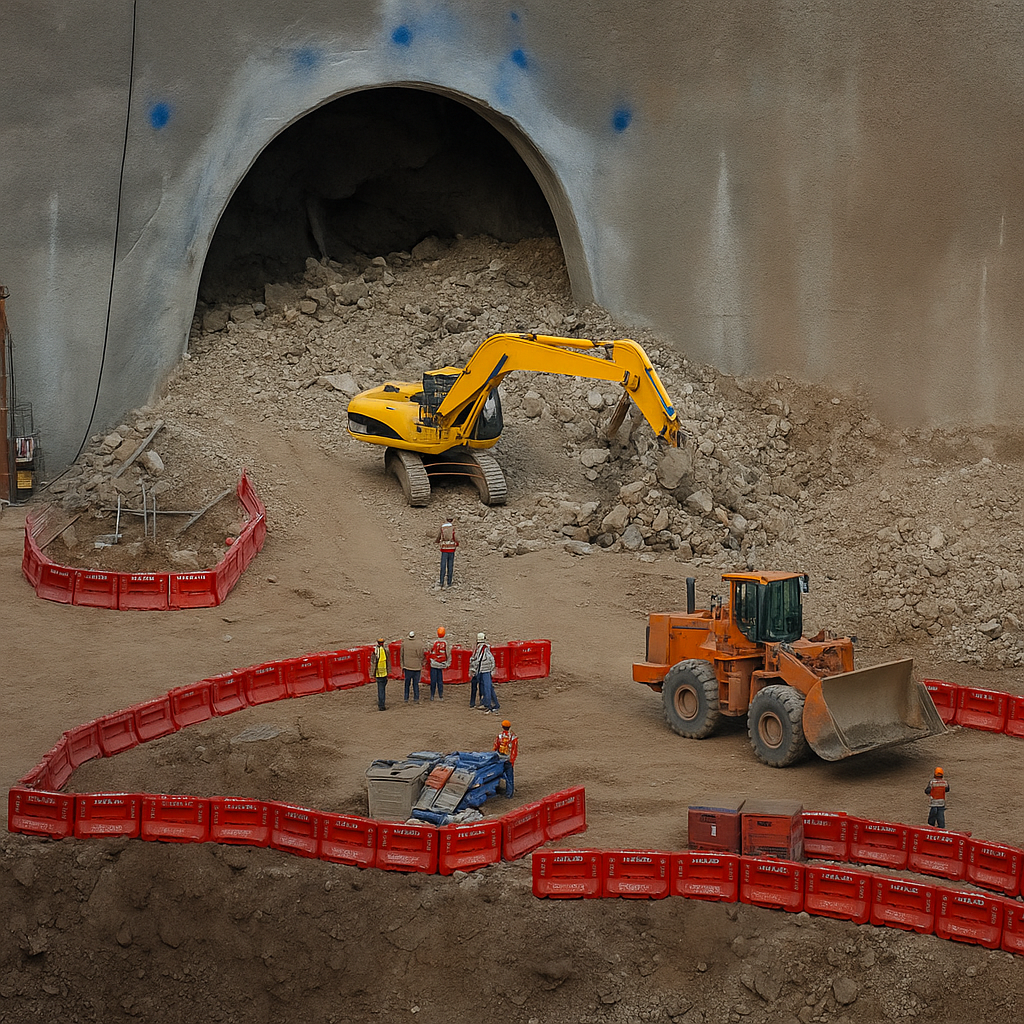
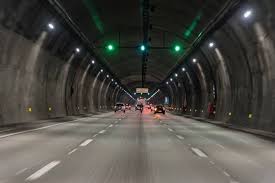
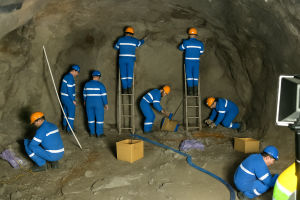 विस्फोटक राखेर विस्फोट गरिन्छ, जसले गर्दा चट्टान चूर्ण भई टुक्रा हुन्छ। यद्यपि यो प्रविधि कार्यक्षम भए तापनि, विशेषतः अस्थिर चट्टानी संरचनामा अत्यधिक चट्टान भत्किने (Overbreak) समस्या उत्पन्न हुन सक्छ। यसले निर्माण खर्च बढाउनुका साथै सुरक्षा सम्बन्धी जोखिम पनि बढाउँछ।
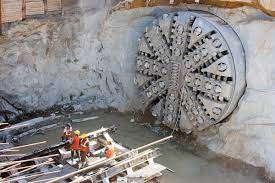 नेपालमा सुरुङ निर्माणको क्षेत्र उज्ज्वल सम्भावनाले भरिएको छ। जलबिद्धुत उत्पादन, यातायात व्यवस्था र अन्य आधारभूत संरचना विकासका परियोजनाहरूसँगै यस क्षेत्रमा आधुनिक प्रविधिको प्रचलन तीव्र गतिमा बढ्दै गइरहेको छ। यद्यपि प्रारम्भिक चरणहरूमा विस्फोटक प्रविधिको प्रयोग गरिएको थियो, तर अहिले संगसंगै आघुनीक प्रविधिको पनि प्रयोग हुदै आएको छ जस्तैः टनेल बोरिङ मेसिन (TBM)। यसले देशको दिगो आधारभूत विकासमा महत्त्वपूर्ण र टिकाऊ योगदान दिने अपेक्षा गरिएको छ।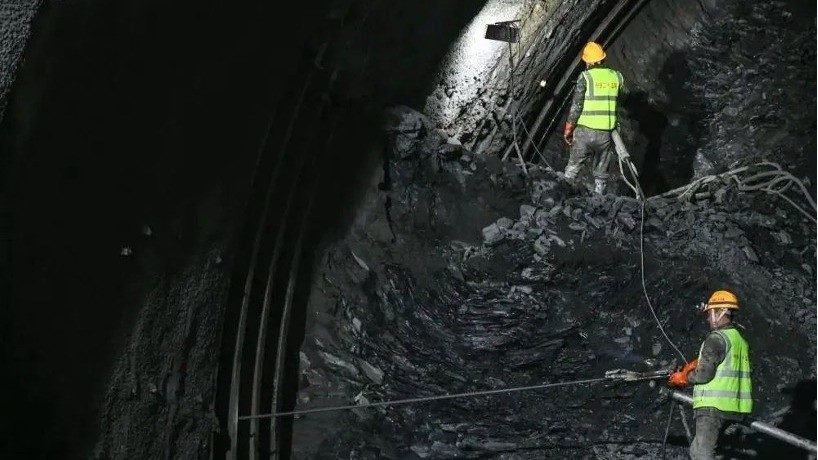
 हिमाली भूभाग र जटिल भूगर्भीय बनावटका कारण, यस्ता परियोजनाहरूमा नियन्त्रित विस्फोटन (Control Blasting) एउटा सुरक्षित र प्रभावकारी खनन विधिका रूपमा प्रयोगमा आएको छ। यसको मुख्य उद्देश्य भनेको संरचनात्मक स्थिरता कायम राख्दै, वातावरणीय क्षति न्यूनीकरण गर्नु र कामदार तथा वरपरका समुदायको सुरक्षा सुनिश्चित गर्नु हो। यसैले, नेपालको जटिल भूपरिवेशमा नियन्त्रण गरिएको विस्फोटन केवल प्राविधिक उपाय मात्र नभई एक रणनीतिक विकल्प पनि बनेको छ।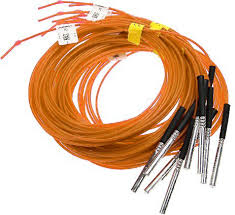
 Emulsion) वा एएनएफओ (ANFO – Ammonium Nitrate Fuel Oil) प्रयोग गरिन्छ । यी विस्फोटकहरूको डिटोनेसन वेग (Detonation Velocity) र उर्जात्मक क्षमता उच्च हुन्छ ।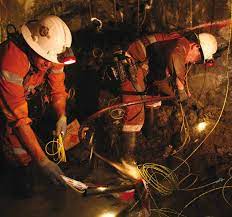
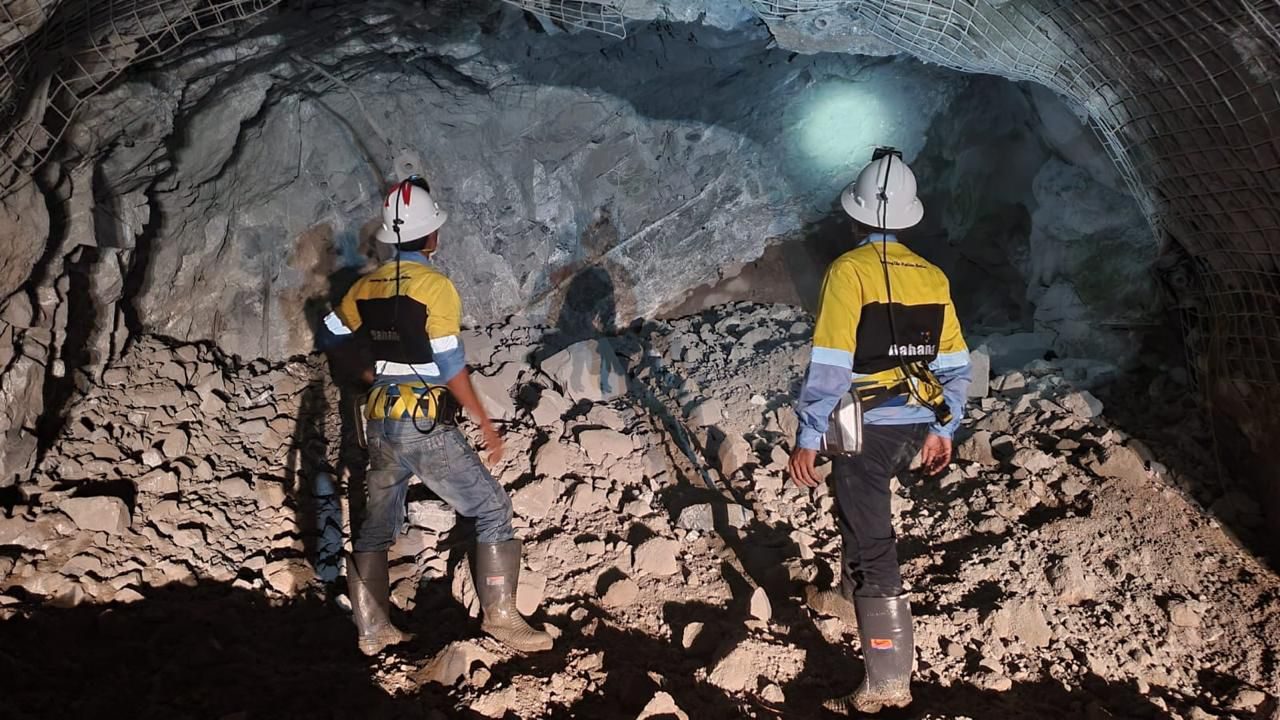
 the people living. Tunneling in Nepal started in 1917 with the first tunneling project the Churia Tunnel which is a highway tunnel of 500 meters long that facilitate trade between Kathmandu and Raxaul. The use of underground space is not new and people in this country have used underground space for many years, with early miners digging small tunnels and caves to get minerals like copper, iron, lead, cobalt, nickel, and different colored stones. In recent past the tunneling activities have increased considerably in the country with the development of many medium scale hydropower projects.
 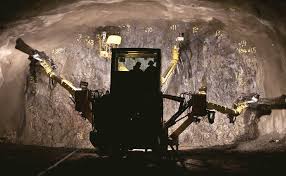 the excavation of tunnels and an underground powerhouse for the Tinau Hydroelectric Project near Butwal in 1970, marking the beginning of approximately 75 kilometers of tunnel construction. Numerous hydropower development projects have been implemented till date, along with the country’s first road tunnel construction project, the Nagdhunga Tunnel which is now nearing completion. In Nepal, major rivers originate in the Himalayas and hold substantial potential for hydropower generation. Moreover, the future of tunneling in Nepal looks promising with several ongoing and planned projects mostly related with transportation and Hydropower. These projects are indicating the growth in Nepal’s infrastructure development.
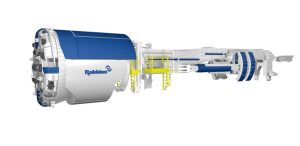 As of 2025, Nepal employs various types of explosives in it’s tunneling projects, particularly for hydropower and infrastructure development. The selection of explosives materials such as detonators, initiating system, packed explosives and others is influenced by geological conditions, project scale, and availability. Challenges are still yet to be overcome in complex geological structures in Nepal. To mitigate this limitation of traditional method, Nepal is gradually adopting Tunnel Boring Machine (TBM) for tunnel excavation. TBM can be the most efficient method of tunneling as Nepal has a critical structure, TBM can help in completion of projects in less period with safety and less environment impact.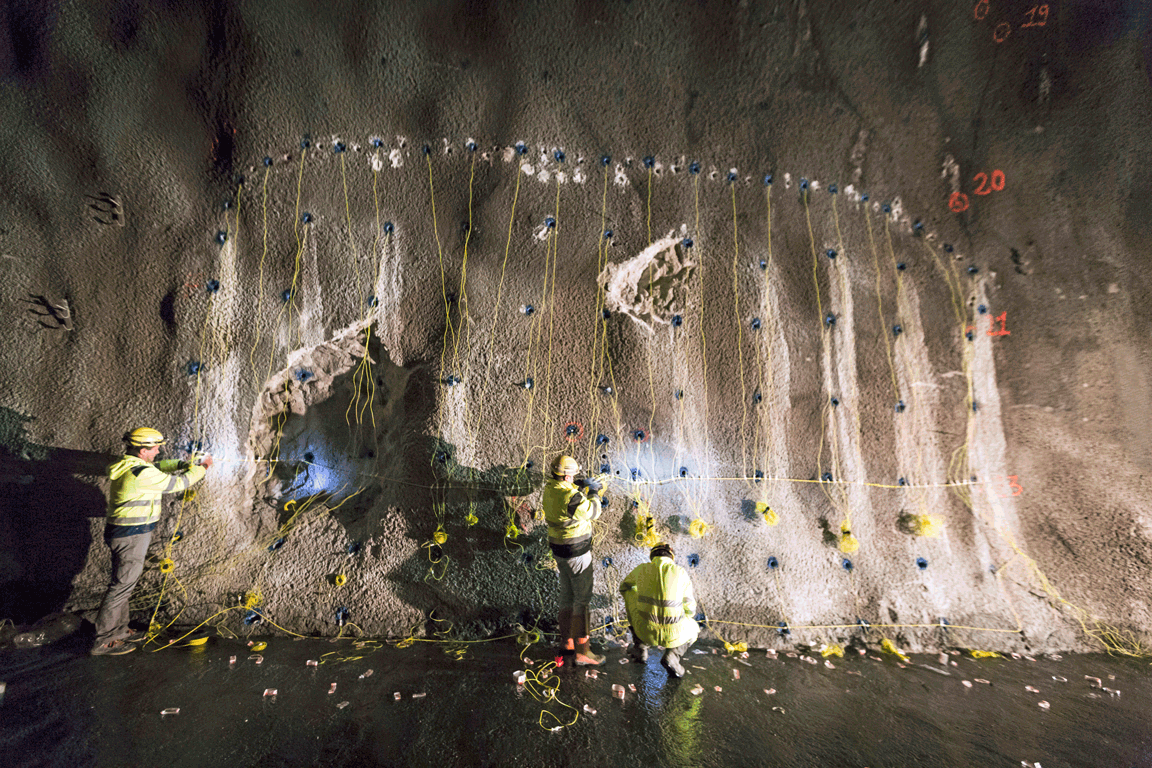
 particularly for hydropower, road tunnels, and water supply systems. Given the country’s mountainous terrain and complex geology, controlled blasting has become a critical method for safe and efficient tunnel excavation. In various underground projects, blasting must be carried out with precision to ensure structural stability, protect surrounding environments, and minimize risk to workers and nearby communities. Therefore, controlled blasting, is not only a technical necessity but also a strategic choice in Nepal’s challenging tunneling environment.
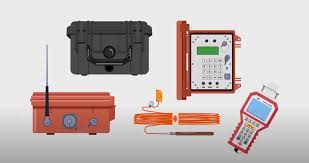 These devices represent a major improvement over traditional initiation systems such as non-electric (NONEL) or electric caps, providing millisecond-level precision, improved safety, and enhanced control over blast outcomes. The accuracy that electronic detonators provide is extremely beneficial for Nepal’s complicated geology. The use of modern blasting techniques support systems is crucial for maintaining tunnel stability during and after excavation.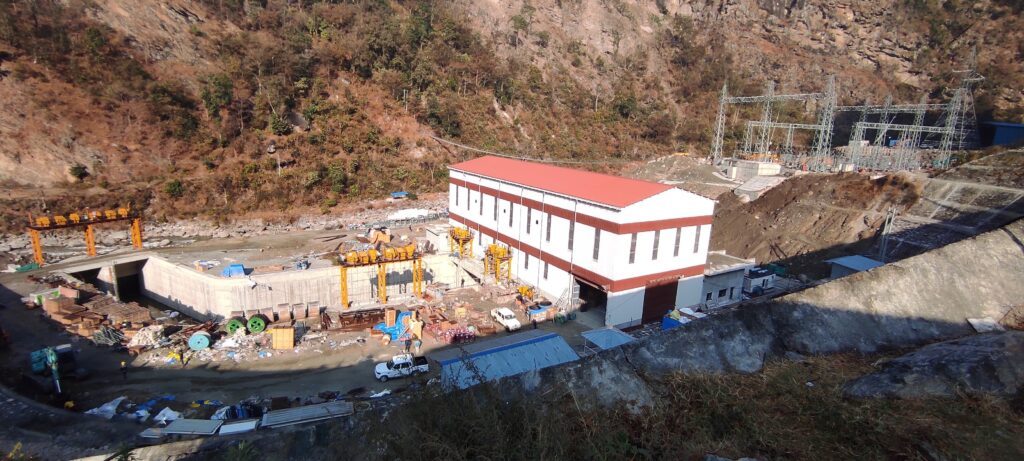
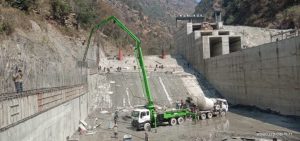 (28.1 Mw) is runoff river type project located at Ramechhap and Okhaldhunga Districts. The total length of the tunnel is 4797 m, and the excavation of tunnel is done by traditional drilling and blasting process. MMSM helped overcome the challenges by supplying the necessary explosive technologies.