Cut in Supply of Electric Detonators by Mohanman Shaktiman
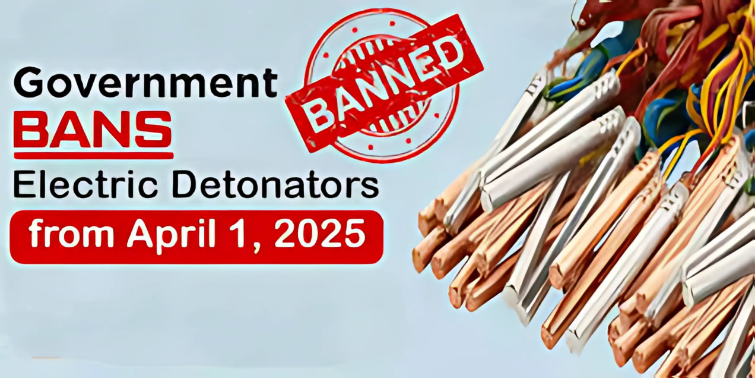
Starting April 1, 2025 the use of traditional electric detonators will be officially banned, marking a significant shift in the explosives industry. The ban aims to enhance safety and efficiency by the use of electronic detonators, which offer more accuracy and reliability.
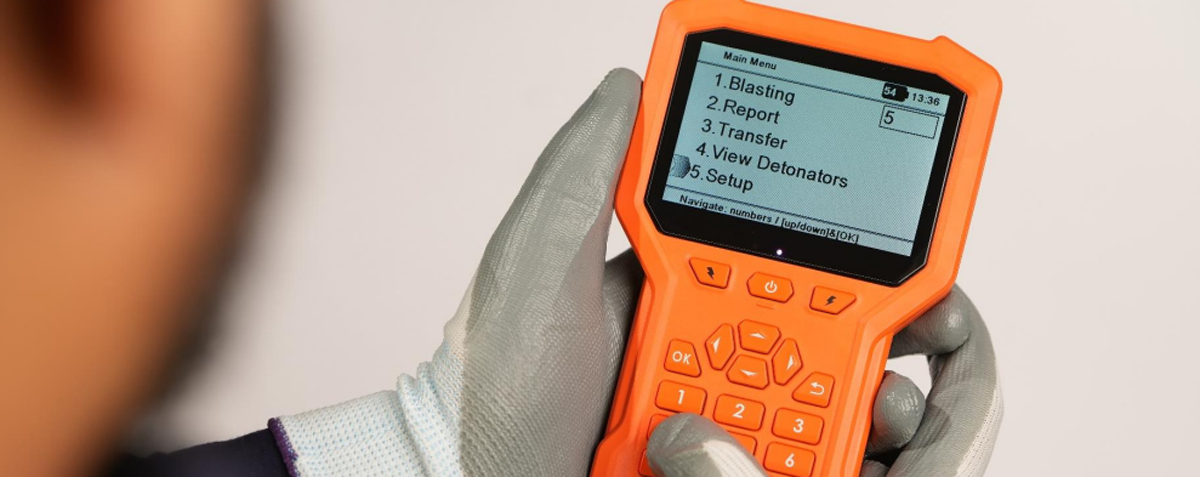
Government of India and Mohanman Shaktiman’s decision to phase out electric detonators marks a significant shift in the blasting industry, reflecting a global move toward safer and more technologically advanced alternatives. With the reduction in electric detonator supply, Mohanman Shaktiman will adopt to Orica’s electronic blasting systems. Orica, a global leader in explosives and mining solutions, offers cutting-edge electronic detonator technologies that provide advance safety, efficiency, and environmental benefits.
Comparing Electric and Electronic Detonators
| Feature | Electric Detonators | Electronic Detonators |
| Safety | High risk of accidental initiation | Resistant to EMI and stray currents |
| Precision | Millisecond inaccuracy | Highly precise timing |
| Synchronization | Limited control over sequencing | Advanced sequential blasting capability |
| Remote Control | Not possible | Possible with some systems |
| Cost | Lower initial cost | Higher initial cost but more efficient in the long run |
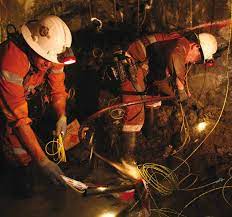
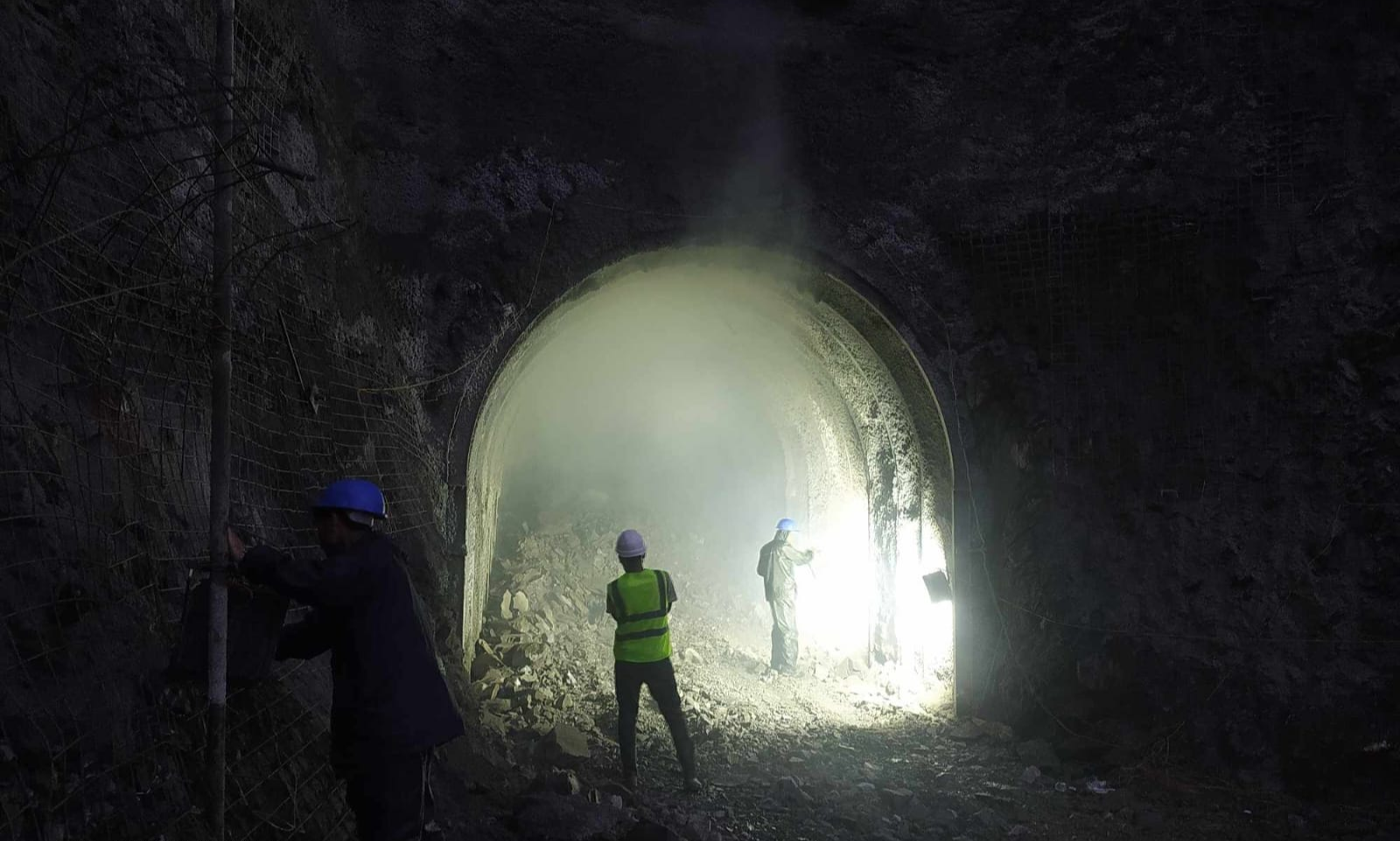
Electric detonators have been widely used in Nepal’s major infrastructure projects, such as hydropower development, road construction, and mining operations. These detonators help in controlled rock blasting, tunnel excavation, and site preparation. However, they come with significant risk such as accidental initiation, uneven blasting due to timing accuracy and so on.
To overcome such risk MMSM shift towards using electronic detonators in Nepal, through this Nepal’s projects can benefit from enhanced safety, improved blast accuracy, and better environmental control, ensuring efficient and hazard-free execution of large-scale construction and mining operations.
What Makes Electronic Detonators a Better Choice?
Electronic detonators, which are now set to replace electric ones, come with advanced features that improve overall blasting safety and effectiveness. Their advantages include:
- Improved Safety: Electronic detonators use encrypted digital signals for activation, making them immune to accidental initiation by stray currents or EMI.
- Higher Precision: They allow for millisecond-level timing accuracy, ensuring better fragmentation, controlled vibrations, and reduced fly rock.
- Better Synchronization: They enable sequential blasting with high accuracy, which optimizes energy release and minimizes environmental impact.
- Remote Monitoring & Control: Some electronic detonator systems can be programmed and monitored remotely, reducing the need for personnel to be near the blast zone.

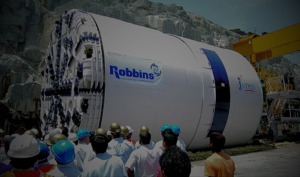
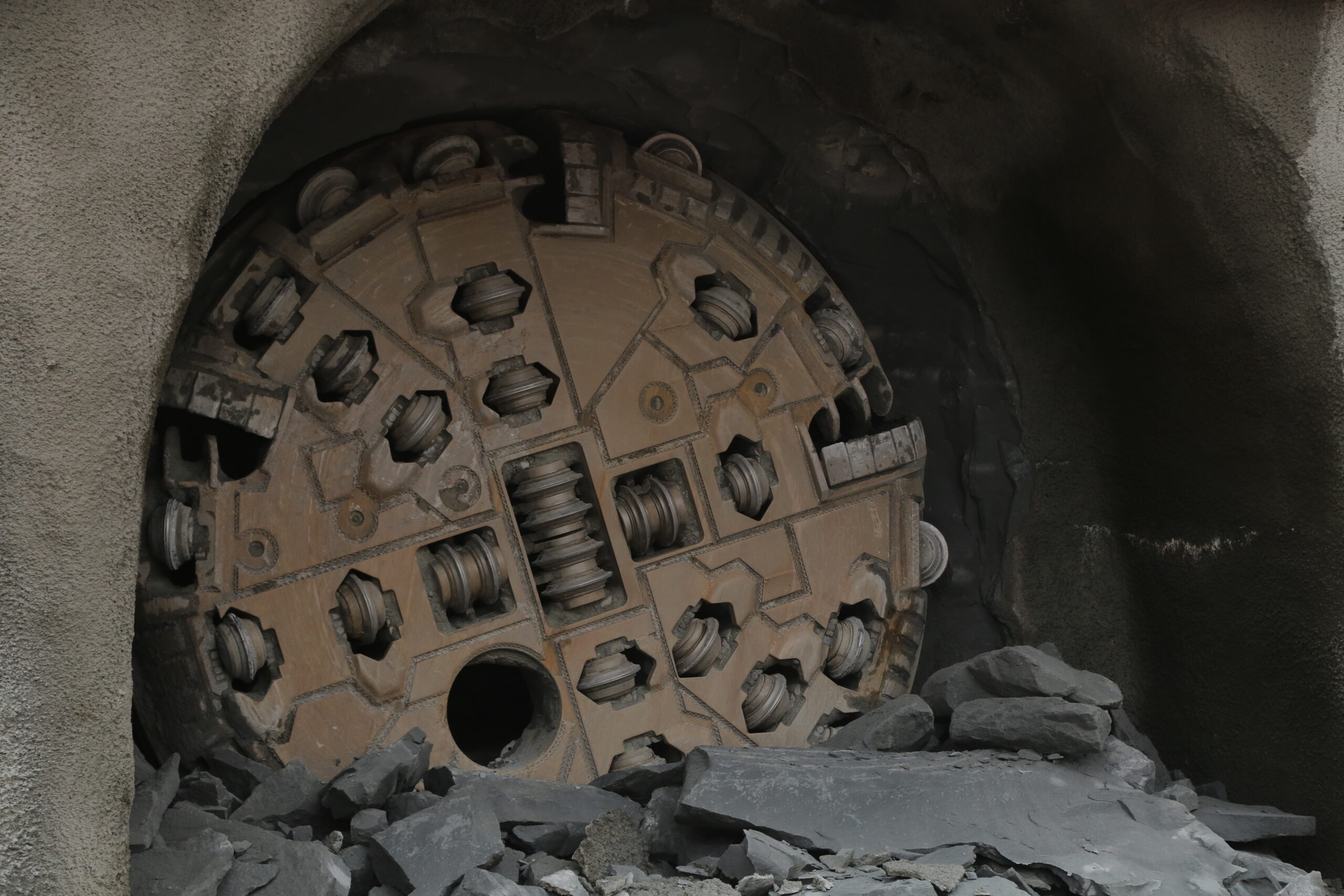
In this critical but much-needed transition, MMSM will provide guidance and support in all aspects of change that impact the environment. Additionally, it will play a key role in logistics and the supply of innovative tunneling technology, ensuring the efficient and sustainable development of explosives and tunneling operations.
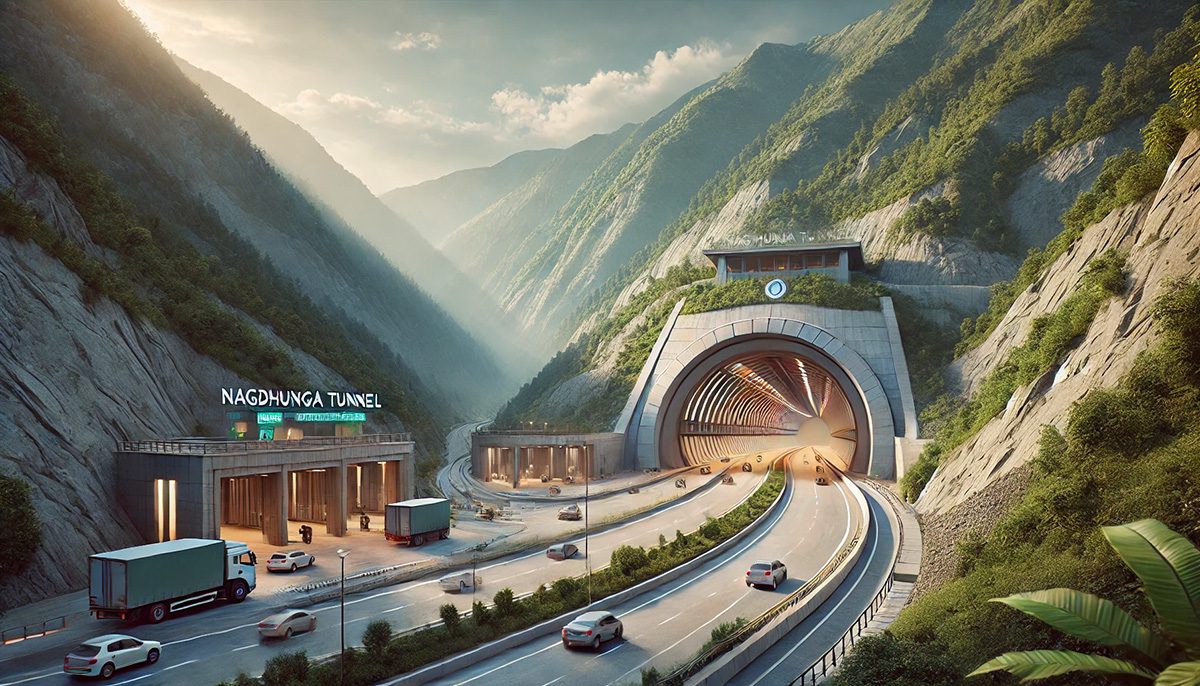
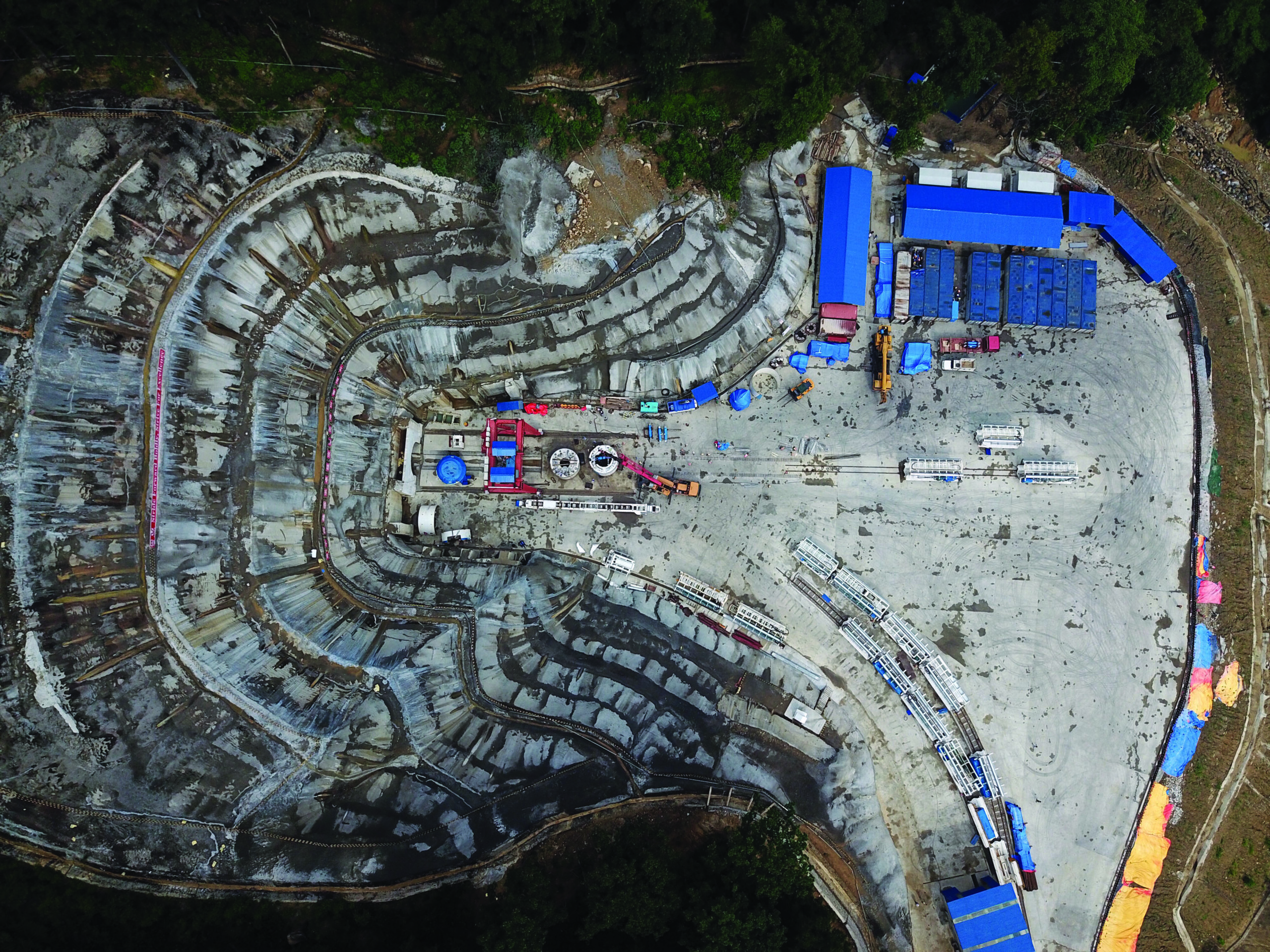
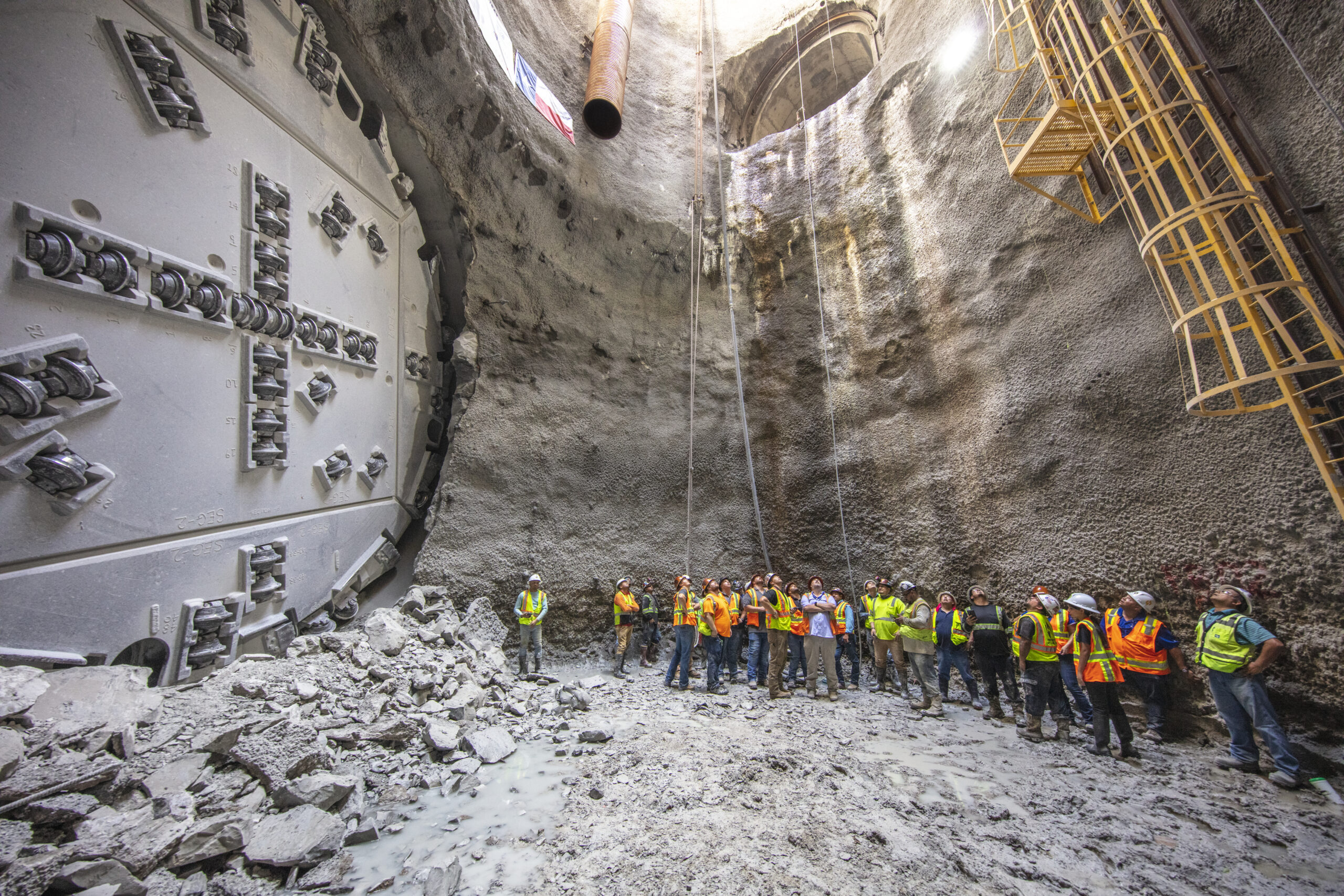
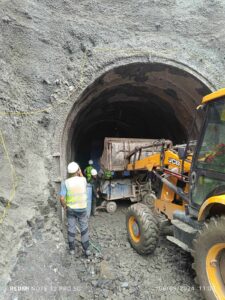
 The tunnel has a height of 8.3 meters and a lane width of 9.5 meters. Therefore, the Nagdhunga Tunnel Project is a game-changer for Nepal’s road infrastructure, aiming to reduce travel time, ease traffic congestion, and improve connectivity between Kathmandu and the western regions of Nepal.
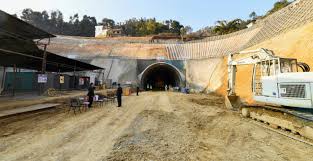 Thus, this led to safe and controlled blasting to break through tough rock formation, timely excavation, and minimized environmental impacts.
 Naghdhunga Tunneling Project is now in its final stage, with approximately 87 percent of the construction work completed. Even with the rapid progress of construction, it will take a year before the tunnel route is ready for vehicle operation. Once the project is completed it will take seven minutes to travel from Sisnekhola to Balambu. Additionally, the flyover towards Balambu is in its final stage, with about 97 percent of the work already completed. Thus, by the end of 2025, the tunnel is expected to be softly opened.